

How to Build a Menopause Skincare Routine for Dry Skin
Last Updated: November 13, 2026
Quick Summary
A menopause skincare routine for dry skin cleanses gently, layers a humectant on damp skin, adds a peptide serum, seals with a ceramide-rich moisturiser and finishes each morning with SPF. Keep steps few and rich rather than many and thin, and patch test any new active first.
- Falling oestrogen slows oil production and weakens the skin barrier, so moisture escapes faster.
- Layer one humectant, one emollient-rich moisturiser and one barrier product before adding treatments.
- Apply humectants like Cloud Hydra Gel to slightly damp skin, then seal with moisturiser.
- Use Silk Melt Cleansing Balm at night to remove makeup, followed by Barrier Ceramide Cleanser.
- Apply moisturiser within a minute of washing and see your GP if dryness or itching is severe.
Table of Contents
- Why Dry Skin Changes During Menopause
- Skincare Ingredients for Dry Menopausal Skin
- Your AM and PM Skincare Routine for Dry Skin
- Choosing the Best Moisturiser for Menopausal Dry Skin
- Managing Dry Itchy Skin During Menopause
- Shop the Hydrating Routine for Dry Skin
- Frequently Asked Questions
Why Dry Skin Changes During Menopause
A menopause skincare routine for dry skin starts with understanding why your face feels different. Falling oestrogen can slow oil production and weaken the skin barrier, so moisture may escape faster. Many women in their forties and fifties describe skin that was once balanced now feeling tight, rough and easily irritated.
What Falling Oestrogen Does to Your Skin Barrier
Oestrogen helps skin hold water and keep its barrier strong. As levels drop through perimenopause, the barrier becomes less able to lock moisture in. The result can be moisture loss and a duller look. Skin firmness and elasticity can also ease as collagen support changes.
Dryness, Sensitivity and the Itch That Comes With It
Dry patches, itchiness and sensitivity often arrive together. A tight, itchy feeling after washing is a signal your moisture barrier needs help, not more scrubbing. If you want the full picture of what happens to skin at this stage, read what nobody tells you about skin during menopause.
Skincare Ingredients for Dry Menopausal Skin
Skincare ingredients for dry menopausal skin fall into a few clear families, and knowing which family does what makes choosing products far easier than chasing ingredient lists. Think in terms of humectants, emollients, occlusives, barrier lipids, peptides, antioxidants and retinoids, then match the mix to how your skin feels.
The Ingredient Families and What Each One Does
- Humectants (hyaluronic acid, PGA, glycerin): draw water into the upper layers so skin feels plump and less tight. They work best applied to slightly damp skin and followed by something that seals them in, otherwise they can leave a dry finish in low humidity.
- Emollients (shea butter, plant oils, fatty alcohols): soften and smooth rough, flaky patches so skin feels supple rather than scaly.
- Occlusives (petrolatum-type sealants, some waxes and butters): slow water loss by forming a protective layer. Useful on very dry patches, but heavier textures can feel rich under makeup.
How to Choose Between Them
A common pattern is to layer one humectant, one emollient-rich moisturiser and one barrier product, then add a treatment only if your skin tolerates it. If your skin feels tight but not flaky, lean on humectants. If it feels rough and looks dull, add emollients. If it stings or reacts easily, prioritise ceramides and keep actives minimal.
What to Leave Out
- Harsh foaming cleansers that leave skin squeaky
- Strong fragrance, essential-oil-heavy formulas and rough scrubs
- High-strength acids layered with retinoids
A non-stripping cleanser can matter a great deal for dry skin. If your skin feels squeaky after washing, the cleanser may be working against your barrier. Here is why your cleanser could be damaging your skin barrier.
Retinoid Cautions for Dry, Sensitive Skin
Retinoids can be useful for some people, but dry skin can be more prone to irritation, so a low-frequency schedule buffered with moisturiser is a cautious starting point. Patch test on your inner arm for a few days before using on the face, and note that retinoids are not recommended during pregnancy or breastfeeding.
A Note on Fragrance and Budget
Fragrance-free formulas are the safest default for reactive skin, and you do not need a long ingredient list to support dry skin, a gentle cleanser, a humectant layer, a ceramide cream and daily SPF cover most of the groundwork. If you want to build a routine without overcommitting, the dehydrated and dry skin collection groups the essentials in one place.
Your AM and PM Skincare Routine for Dry Skin
A simple AM and PM skincare routine for dry skin keeps steps few and gentle. Cleanse, hydrate, treat, moisturise, protect. That is the whole framework, the skill is in the order, the frequency and knowing when to adjust.

The Routine at a Glance
| Step | AM | PM |
|---|---|---|
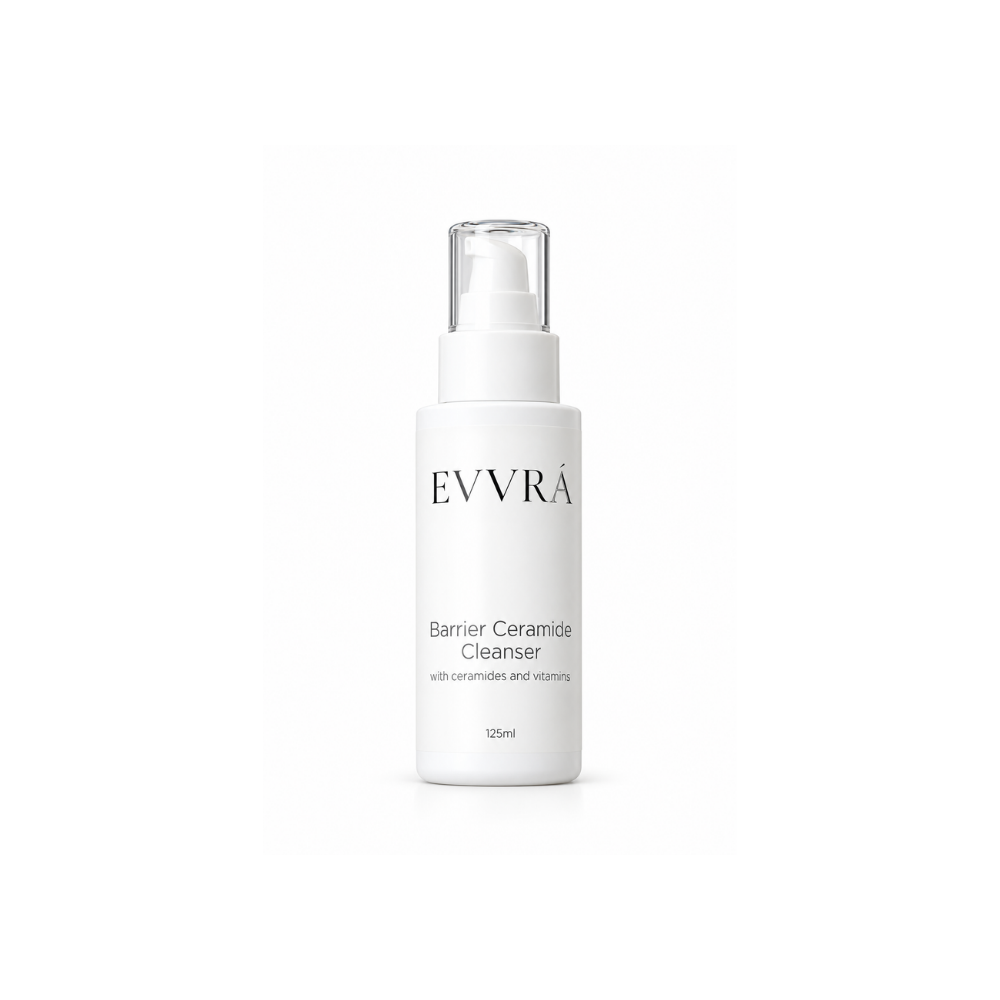
| Cleanse | Barrier Ceramide Cleanser | Silk Melt Cleansing Balm to remove makeup, then Barrier Ceramide Cleanser |
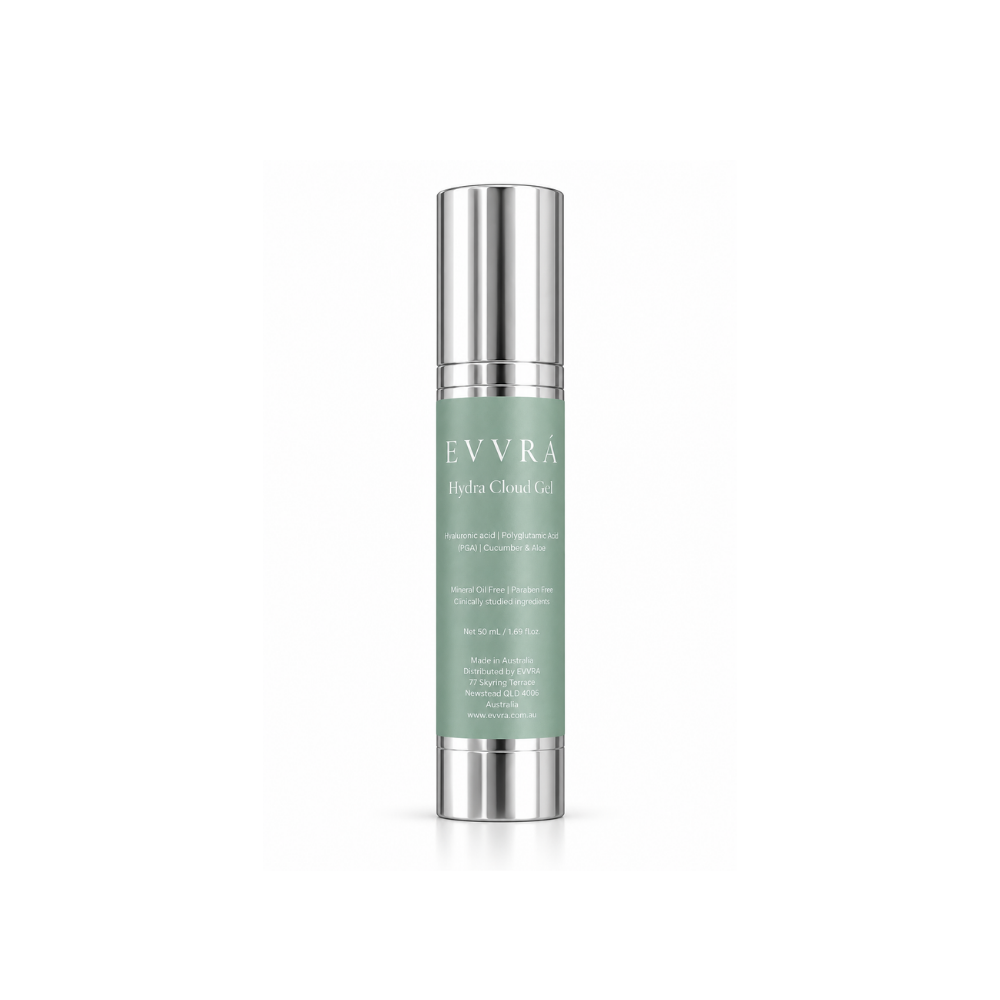
| Hydrate | Cloud Hydra Gel on damp skin | Cloud Hydra Gel |
| Treat | Lift Peptide Serum | Lift Peptide Serum |
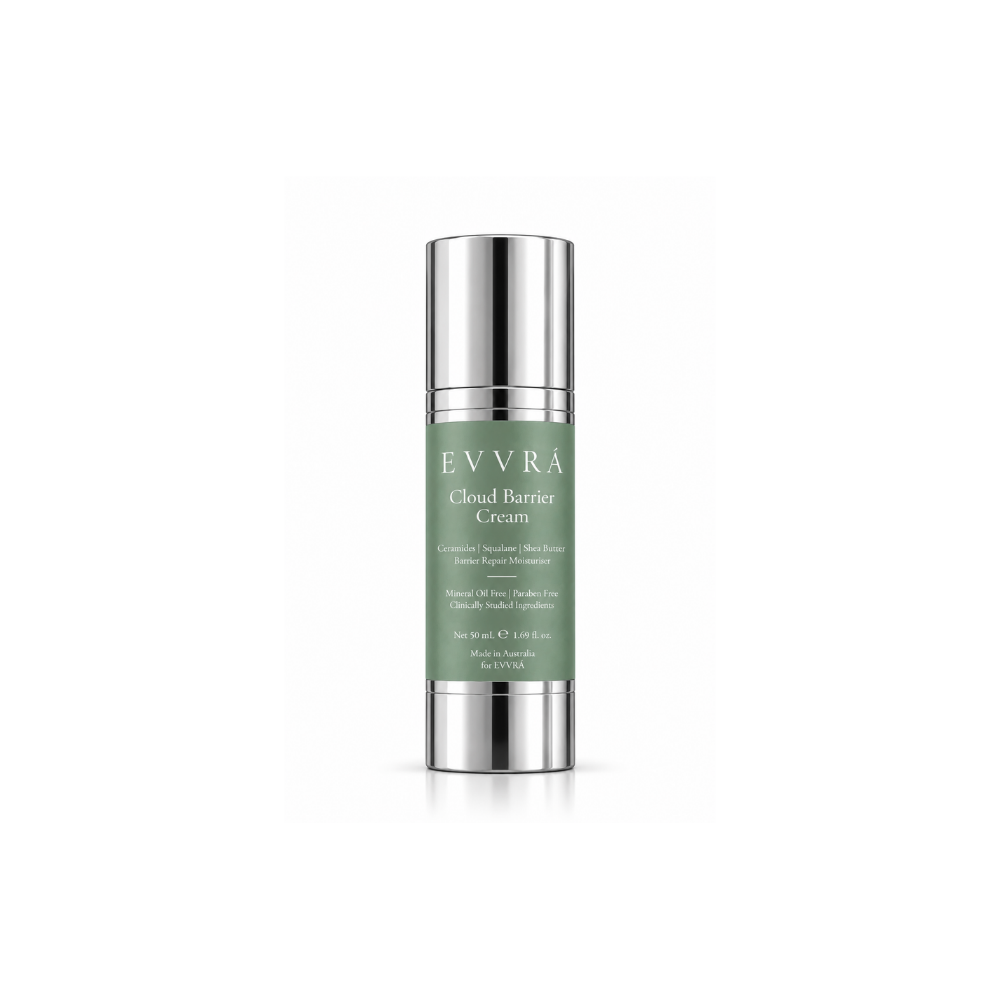
| Moisturise | Cloud Barrier Cream | Matrix Peptide Veil |
| Eyes | Lumen Eye Veil | Lumen Eye Veil |
| Protect | Daily SPF | None needed |
Pat skin dry, apply to slightly damp skin, and finish every morning with sunscreen.
Why the Order Matters
Thin-to-thick is the rule: humectant first on damp skin, then treatment, then moisturiser to seal it in, then SPF in the morning. Applying Cloud Hydra Gel to dry skin wastes it, the humectant needs water to draw on. Applying moisturiser before serum can limit how well the serum absorbs. And skipping SPF undoes much of the good work, because UV exposure accelerates the dryness and dullness you are trying to counter.
Frequency and How to Adjust
- Daily: cleanser, hydrating layer, moisturiser, SPF.
- Most days: peptide serum morning and night.
- As needed: extra Cloud Barrier Cream on very dry patches (cheeks, around the nose, between the brows).
Adapting the Routine to Your Skin
Menopausal skin is not uniform, so adjust rather than follow rigidly.
- Dry but acne-prone: keep the gentle cleanser and hydrating layer, but choose the lighter Matrix Peptide Veil at night and spot-treat rather than layering heavy creams over the whole face.
- Rosacea-prone or reactive: skip the balm if it stings, keep water lukewarm, and introduce the peptide serum every second night until skin settles.
- Seasonal dryness: in winter or air-conditioned offices, add a second layer of Cloud Barrier Cream at night; in humid summer, Cloud Hydra Gel plus a lighter moisturiser may be enough.
- Very dry and itchy: apply moisturiser within a minute of washing, and see your GP if dryness, itching or irritation is severe or persistent.
Patch Testing and Starting Slowly
Patch test any new active on your inner arm for a few days. Add one product at a time, give it a week, then add the next. If you use a retinoid, note that retinoids are not recommended during pregnancy or breastfeeding, and introduce it on alternate nights before building up.
A Simple Way to Start
If you would rather not build the routine piece by piece, the hydrating gift set for dry skin bundles the core steps, and the full dehydrated and dry skin collection lets you add as your skin changes.
Choosing the Best Moisturiser for Menopausal Dry Skin
The best moisturiser for menopausal dry skin is a fragrance-free, ceramide-rich cream that comforts without heaviness.
Our pick is Cloud Barrier Cream. Ceramides help protect the barrier, beta-glucan helps soothe and hydrate, and shea butter softens.
For a lighter night option, Matrix Peptide Veil works well. For the eyes, Lumen Eye Veil adds gentle care.
Managing Dry Itchy Skin During Menopause
Dry, itchy skin can feel more comfortable with gentler cleansing, more hydration and fewer actives. Try these steps:
- Switch to a mild, non-stripping cleanser
- Skip hot water and long showers
- Apply moisturiser within a minute of washing
- Add a humidifier in dry rooms
Watch out: scratching dry patches can break the barrier further and invite irritation. If itching, redness or dryness is severe, painful or persistent, see your GP or a dermatologist. Persistent symptoms are worth having assessed by a professional.
Shop the Hydrating Routine for Dry Skin
A consistent routine can make a meaningful difference for menopausal skin. Start with the full dehydrated and dry skin collection and build from there.
Dry, changing skin asks for a simpler routine, not a longer one. EVVRÁ makes that easy with Australian-made, cruelty-free formulas built around ceramides, peptides and hyaluronic acid, free from parabens, sulphates and mineral oil.
Frequently Asked Questions
Why does skin become drier during menopause?
Falling oestrogen reduces the skin's natural oil production and its ability to hold water, so moisture loss speeds up and the skin barrier becomes less resilient. That is why skin that once felt balanced can turn tight, flaky or sensitive. A menopause skincare routine for dry skin should focus on gentle cleansing, replenishing moisture and supporting the skin barrier every day, rather than trying to scrub or strip the dryness away.
Can I use hyaluronic acid on dry menopausal skin?
Yes. Hyaluronic acid draws moisture into the skin and can give an instantly plumper look. Apply it to slightly damp skin, then seal it with a moisturiser so the hydration stays put. A serum such as Cloud Hydra Gel, which pairs hyaluronic acid with polyglutamic acid, layers easily under any moisturiser. Patch test first if your skin is reactive, and follow with daily SPF in the morning.
How often should I cleanse dry skin during menopause?
Twice a day is usually enough: a gentle cleanser in the morning and a balm or cleanser at night to remove makeup and sunscreen. Use lukewarm water, massage rather than scrub, and pat dry instead of rubbing. If your skin feels tight or squeaky afterwards, the cleanser is too harsh. A non-stripping formula such as Barrier Ceramide Cleanser helps the skin barrier stay comfortable while it cleans.
When should I see a GP or dermatologist about persistent dry or itchy skin?
Book an appointment if dryness, itching or irritation is severe, keeps you awake, or does not settle after a few weeks of a gentle, consistent routine. See a GP or dermatologist sooner if you notice cracking, bleeding, a rash that spreads, or skin that stings with products you previously tolerated. Persistent symptoms are worth having assessed by a professional.
