

Gentle EVVRÁ Alternatives for Sensitive Skin
Last Updated: November 10, 2026
Quick Summary
A gentle sensitive skin alternative to Synergie Skin depends on which job you need done, such as calming, brightening or cleansing. Choose fragrance-free formulas with ceramides, panthenol and humectants, and introduce one new product at a time after patch testing.
- Match each replacement to the job the old product did, such as calming, brightening or cleansing.
- Look for ceramides, glycerin and panthenol, and be cautious with fragrance and high-strength acids.
- Introduce niacinamide slowly, starting a few nights a week and following with a moisturiser.
- Patch test any new product on the inner forearm for 48 hours before using it on your face.
- Use daily broad-spectrum SPF, since sun exposure can aggravate sensitivity and uneven tone.
Table of Contents
- Why People Look for a Synergie Alternative for Sensitive Skin
- What to Look for in a Gentle Sensitive Skin Routine
- Synergie Skin DermaCalm Alternative: Calming Options Compared
- Synergie Skin Niacinamide Alternative: Brightening Without Heavy Actives
- Sensitive Skin Barrier Support: Cleansers and Moisturisers That Help
- How to Patch Test Skincare Before Switching Products
- Ingredients to Approach With Care on Sensitive Skin
- Building a Simple, Gentle Routine With Cost in Mind
- Choosing Your First EVVRÁ Product for Sensitive Skin
- Frequently Asked Questions
Why People Look for a Synergie Alternative for Sensitive Skin
Many people with sensitive skin reach a point where a product that once worked starts to sting, flush or feel tight. A sensitive skin alternative to Synergie Skin is often the next step, and the reasons are usually practical rather than dramatic. Some readers want a different texture. Others want fewer actives, a lower price, or a formula that suits a skin barrier that has become more reactive over time.
It helps to be clear about what you are actually replacing. A calming serum, a niacinamide product and a cleanser each do a different job, so a swap should match the job, not just the brand name. This guide, from EVVRÁ, works through each Synergie-style need separately, so you can compare like with like.
Skin changes with age, hormones and stress, so a formula that suited you at 30 may not suit you now. Menopause and perimenopause in particular can make skin more dry one week and more oily the next. That unpredictability is a good reason to choose a simple, gentle routine and change one product at a time.
What to Look for in a Gentle Sensitive Skin Routine
A gentle routine for sensitive skin is built on restraint. Fewer products, fewer strong actives and a focus on protecting the skin barrier usually do more good than a long list of treatments. A barrier that is calm and well moisturised tolerates the rest of the routine far better.
When you read a label, look first for the supportive ingredients: ceramides, which help rebuild the barrier, and humectants such as glycerin, which draw in moisture. Soothing ingredients like panthenol (vitamin B5) and beta-glucan are common in gentle formulas. Be cautious with high-strength acids, fragrance and long ingredient lists, since each extra ingredient is another chance for irritation.
Fragrance-free formulas are a sensible default for reactive skin. So are products that are alcohol-free and free of harsh sulphates, both of which can strip the skin. Patch testing any new product before using it across your whole face is a sensible way to find out how your skin will respond.
Synergie Skin DermaCalm Alternative: Calming Options Compared
If you used a calming product, your priority is soothing and comfort rather than active treatment. For a calming serum, look for a formula built around panthenol, soothing botanicals and low-irritation ingredients, and check whether it is fragrance-free. The PDRN DNA Recovery Serum is one option in this range for skin that feels stressed or sensitised.
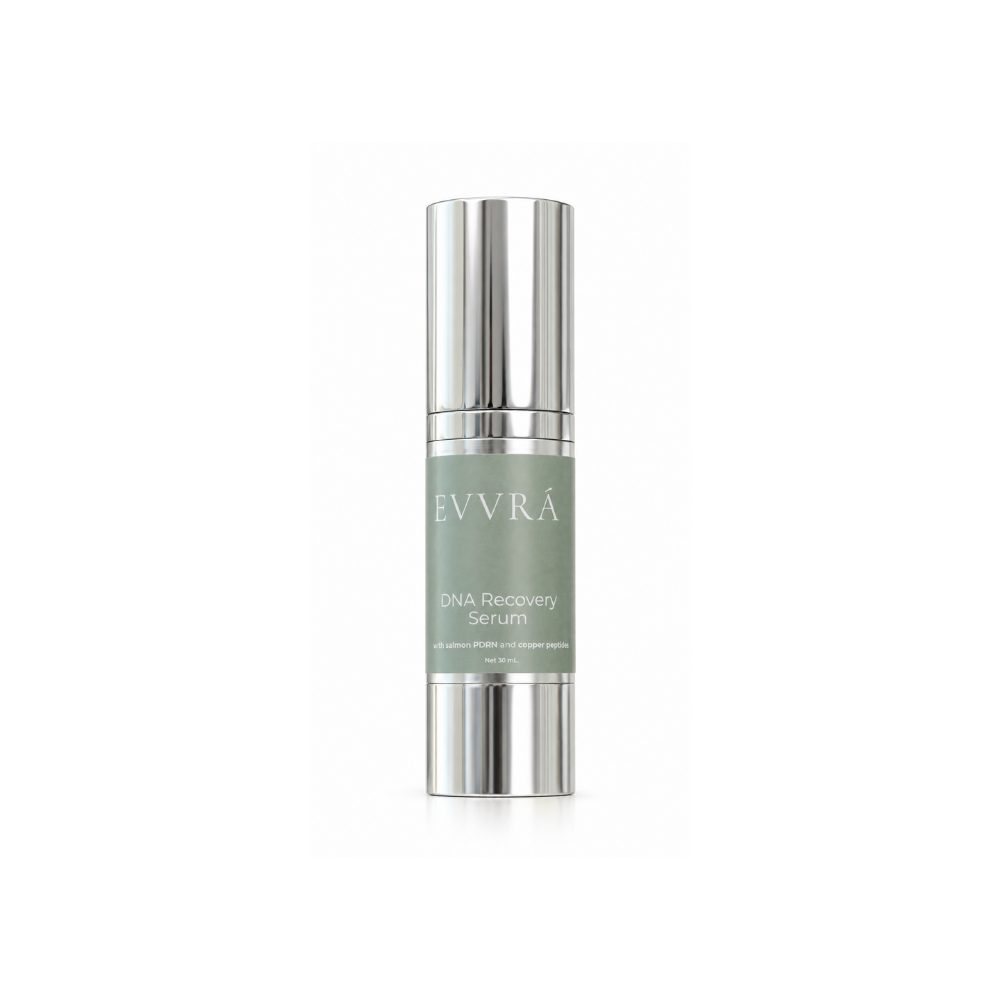
The PDRN DNA Recovery Serum pairs salmon PDRN and copper peptide with panthenol and Kakadu plum. It is fragrance-free and sulphate-free. Its ingredients include a fish (salmon) derivative, so it is not suitable for people with a fish allergy and it is not vegan.
Best for: sensitive, stressed or mature skin, and skin recovering after treatments or harsh weather. Skip if: you have a fish allergy or follow a vegan diet.
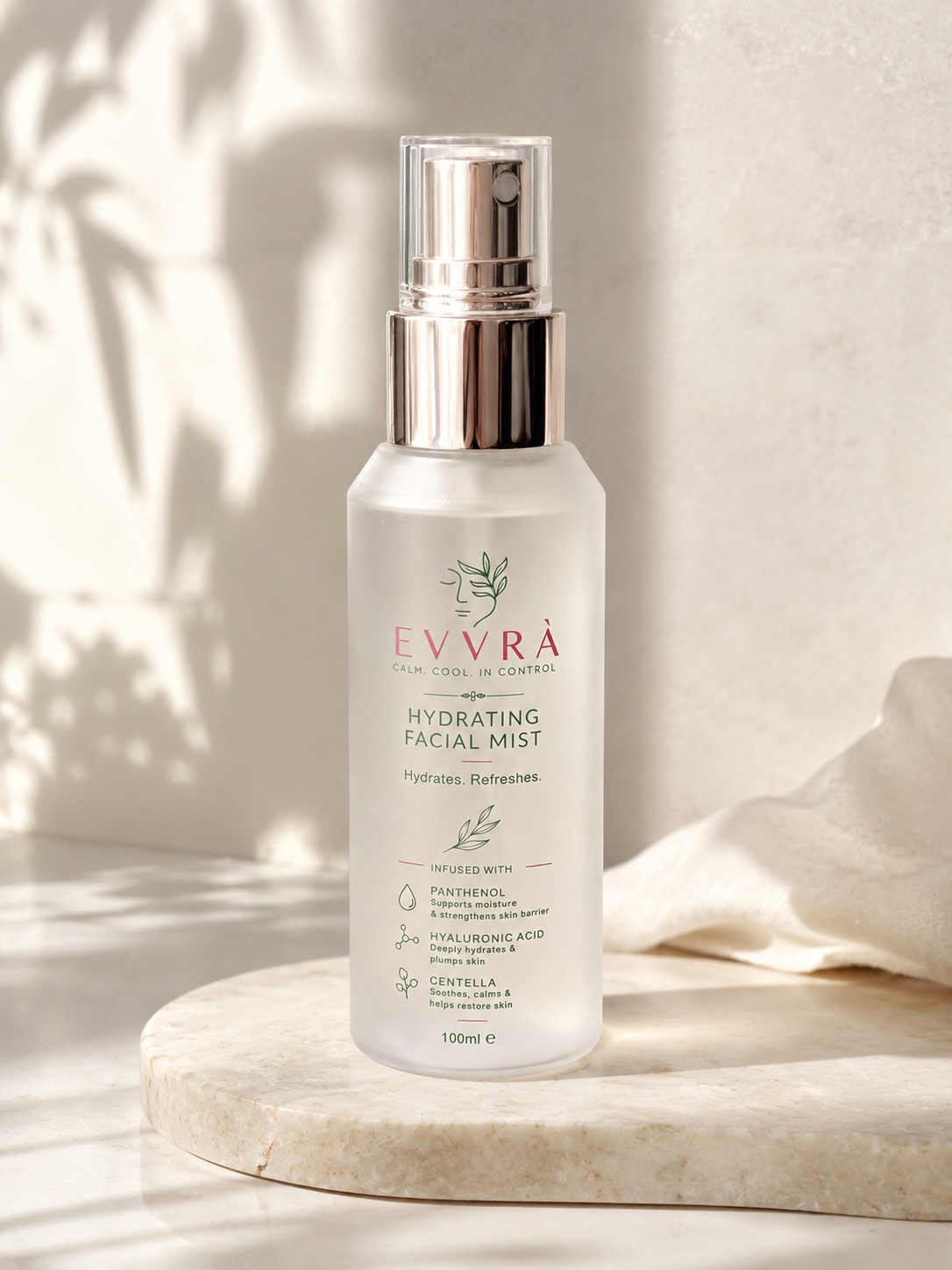
For a lighter, instant comfort step, the Hydrating Facial Mist combines panthenol, niacinamide, green tea extract and centella. It is lightweight and fast-absorbing, and can be used over makeup or whenever skin feels dry or tight.
Best for: a quick midday reset on dry, tight or overheated skin. Skip if: you want a targeted repair treatment on its own.
Synergie Skin Niacinamide Alternative: Brightening Without Heavy Actives
Niacinamide, also known as vitamin B3, is one of the most common reasons people look for a Synergie-style alternative. It is a widely discussed ingredient for the look of more even-toned skin. For sensitive skin, though, the question is rarely whether niacinamide works and more often how much to use and how quickly to introduce it.
When you compare niacinamide products, check the strength and the rest of the formula. Products that pair actives with soothing ingredients such as panthenol or beta-glucan can feel gentler on sensitive skin. Strength is listed on some labels and not others, so if it is not stated, look at where niacinamide sits in the ingredient list and whether the product includes irritants such as fragrance or alcohol high up the list.
Introduce niacinamide slowly. Start with a few applications a week, use it at night at first, and follow with a moisturiser. Some people notice a faint flush or tingling at the start, which often settles as the skin adjusts. Persistent burning, stinging that does not ease, or spreading redness is a sign to stop and speak to a GP or dermatologist rather than push through.
The Hydrating Facial Mist includes niacinamide alongside soothing ingredients such as panthenol, green tea extract and centella, and is a light, easy addition to a routine. Changes in the look of skin tone usually take time, so judge any product over several weeks rather than days.
Whatever you choose, daily broad-spectrum SPF matters more than any brightening product. Sun exposure is a major contributor to uneven tone, and daily SPF helps protect against it. Patch test any new niacinamide product on the inner forearm for a few days before using it on your face.
Sensitive Skin Barrier Support: Cleansers and Moisturisers That Help
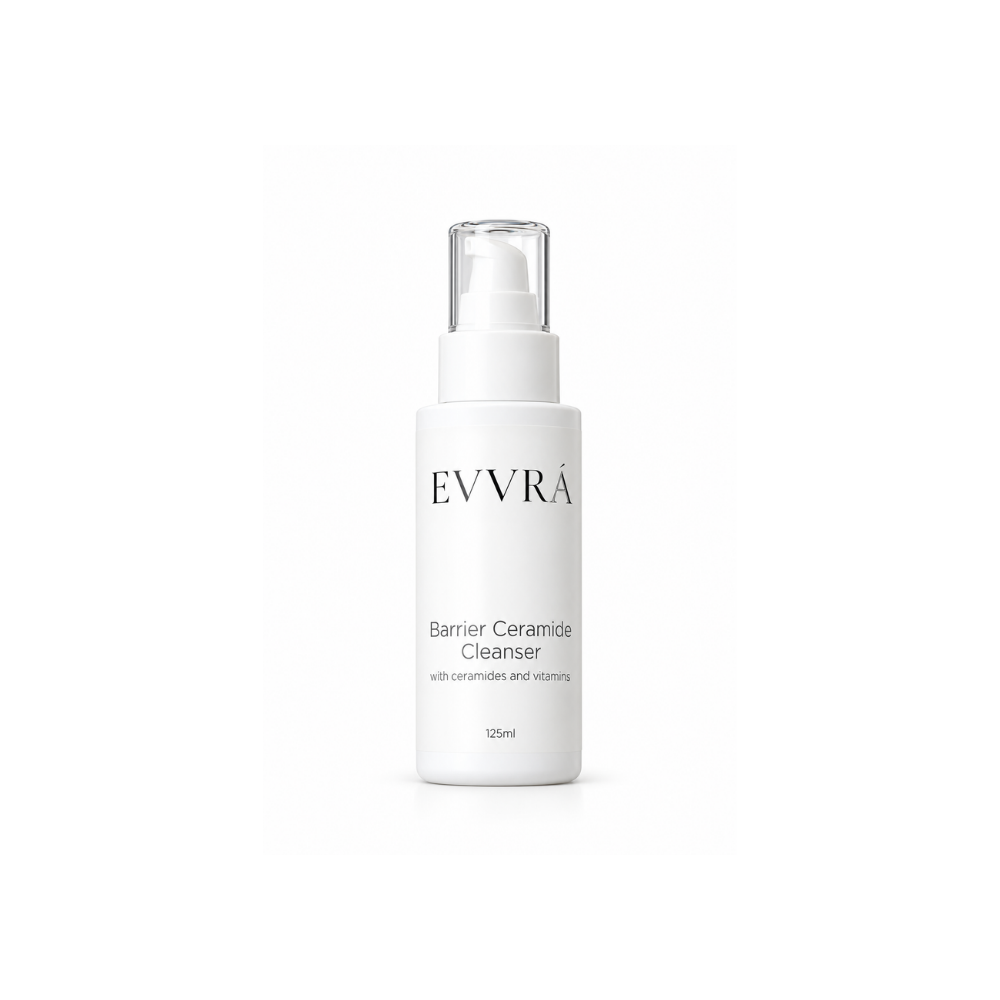
Cleansing and moisturising do most of the work of protecting a sensitive barrier. A cleanser that removes the day without stripping leaves more room for recovery. The Barrier Ceramide Cleanser is a gentle ceramide-enriched option for dry, sensitive or easily irritated skin. It is paraben and mineral oil free and is used morning and evening. For a richer, softer cleanse, the Cloud Coconut Cream Cleanser suits normal, dry and sensitive skin and rinses away without a tight feeling.
Moisturiser is the step that holds everything in. The Cloud Barrier Cream is a rich ceramide moisturiser for dry, sensitive or barrier-damaged skin. It contains ceramides, beta-glucan and shea butter, and is used morning and evening after a serum. If you are unsure whether a heavier cream will feel too much, start with a small amount and see how your skin responds over a week.
Daily sunscreen is an important step for sensitive skin, since sun exposure can aggravate sensitivity. Choose a broad-spectrum SPF each morning, even on cloudy days.
How to Patch Test Skincare Before Switching Products
Patch testing is the simplest way to avoid a bad reaction, and it takes only a few days. Apply a small amount of the new product to a discreet area, such as the inner forearm or behind the ear, once a day. Watch for redness, itching, burning or stinging over the next 48 hours before moving it to your face.
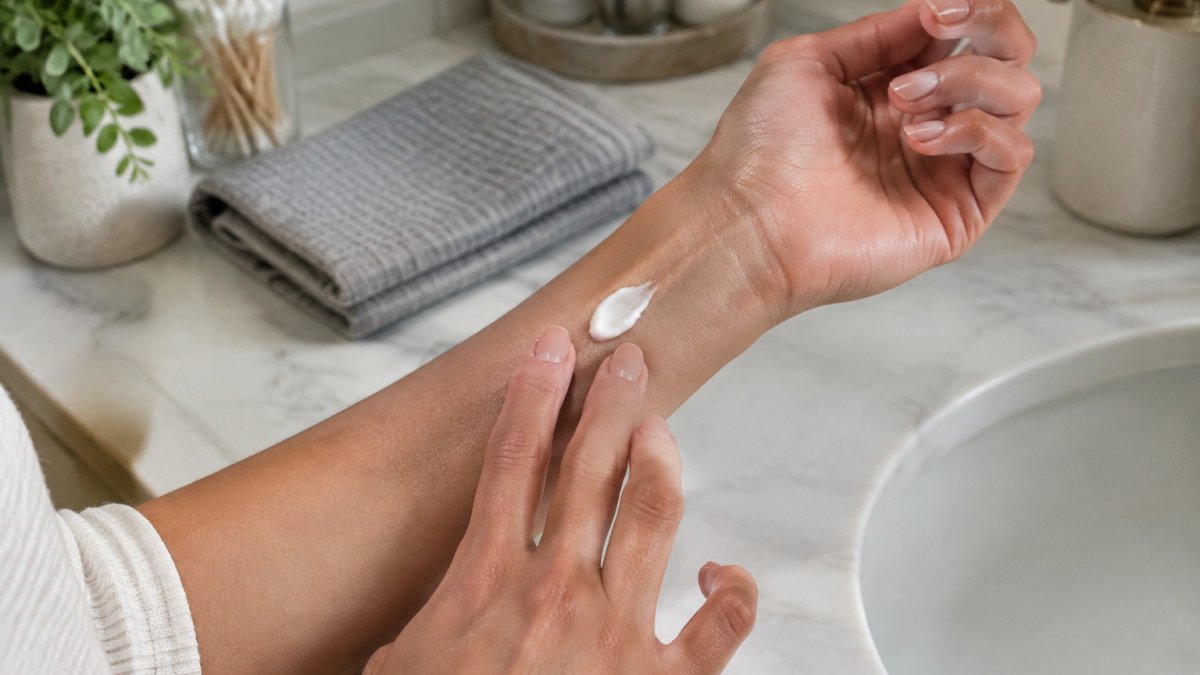
If the test area stays calm, try the product on one side of your face for several days before using it on both sides. This makes it easy to compare results. Introduce only one new product at a time, so that if a reaction occurs, you know which product caused it.
Stop using a product and speak to a GP or dermatologist if you develop swelling, a rash that spreads, blistering or persistent discomfort. Severe or ongoing skin problems are best assessed by a professional.
Ingredients to Approach With Care on Sensitive Skin
Some ingredients are common triggers for reactive skin. Fragrance, both synthetic and essential oil based, is a frequent cause of irritation, which is why fragrance-free formulas are a safer starting point. Alcohol, particularly high up a product's ingredient list, can dry and sting. Strong exfoliating acids and high-strength actives can also overwhelm a sensitised barrier if used too often.
Retinoids need extra care. They are not recommended during pregnancy or breastfeeding, so introduce them slowly and always with daily SPF. If you are pregnant, breastfeeding or taking medication that affects your skin, check with your GP before changing your routine.
Some common ingredients are frequent triggers for reactive skin, so it helps to know what to watch for.
| Ingredient | Why it matters | Approach |
|---|---|---|
| Fragrance | Frequent cause of irritation | Choose fragrance-free formulas |
| Alcohol | Can dry and sting, especially high in the list | Check position on the label |
| Strong exfoliating acids | Can overwhelm a sensitised barrier | Use less often |
| Retinoids | Not recommended during pregnancy or breastfeeding | Introduce slowly with daily SPF |
Building a Simple, Gentle Routine With Cost in Mind
When people search for a cheaper alternative, they are usually asking two questions at once: how many products do I really need, and how long will each one last? A simple routine answers both. For most sensitive skin, three steps are enough: a gentle cleanse, one treatment or soothing product, and a moisturiser, with a broad-spectrum SPF in the morning. Every extra step adds cost and another possible irritant, so a shorter routine is often both cheaper and easier to read when something goes wrong.
To compare routines fairly, look at cost per use rather than the shelf price. Divide the price of a product by the number of uses it gives you. A 30ml serum used in a few drops each evening often lasts longer than a larger, thinner product that you apply generously, so the bottle size alone can be misleading. Check the millilitre count on the label, estimate how much you use per application, and work out the months it will last before comparing it with another option.
A practical way to plan your spending is to decide which step matters most for your skin right now. If your barrier feels reactive, put more of your budget into a good moisturiser and a gentle cleanser, and keep the active treatment simple. If your main concern is tone or dullness, you may choose to spend more on one targeted serum and use a plainer moisturiser alongside it. Either way, one carefully chosen product at a time is kinder to your skin and to your budget than buying a full set at once.
Watch out: buying several new products in the same fortnight makes it impossible to tell which one caused a reaction, so introduce each one on its own and wait before adding the next.
You can browse a focused range on the sensitive skin barrier support collection and build a short routine around the steps you need. Daily SPF is a step worth keeping, whatever the rest of your routine looks like.
Choosing Your First EVVRÁ Product for Sensitive Skin
If you are starting out, begin with the product that addresses your most pressing concern. For dry or reactive skin, the Barrier Ceramide Cleanser is a low-risk first step, since it replaces a cleanser you already use. If your skin feels stressed and depleted, the PDRN DNA Recovery Serum is a targeted choice. For a quick comfort boost, the Hydrating Facial Mist is an easy addition.
Introduce one product, use it for two weeks, and then decide whether to add another. This keeps any reaction easy to trace and keeps spending in check. You can browse the full range on the all skincare collection or the sensitive skin barrier support collection to compare options side by side.
Free shipping applies to orders over $100.
Frequently Asked Questions
What is a good alternative to Synergie Skin for sensitive skin?
A good alternative for sensitive skin is a product with a short, familiar ingredient list, no added fragrance, and barrier-supporting ingredients such as ceramides and panthenol. EVVRÁ's Barrier Ceramide Cleanser and Cloud Barrier Cream are both designed for dry or easily irritated skin, and the PDRN DNA Recovery Serum is fragrance-free for reactive skin. Compare ingredient lists side by side and start with one product at a time so you can see how your skin responds.
How do I patch test a new skincare product?
Apply a small amount of the product to a discreet area such as the inner forearm or behind the ear once a day for three to five days, avoiding the face in the meantime. Watch for redness, itching, stinging or bumps. If nothing develops, you can introduce it to the face gradually. Stop using it straight away if irritation appears, and see a GP or dermatologist if a reaction is severe, painful or lasts.
Should I avoid active ingredients if I have sensitive skin?
Not necessarily. Many actives can be used by sensitive skin when introduced slowly, starting with a few nights a week and layering with a moisturiser. Daily SPF is essential whenever you use actives that increase sun sensitivity. Retinoids are not recommended during pregnancy or breastfeeding, so check with your GP first if either applies.
How can I tell whether a skincare product may irritate my skin?
Look for fragrance, essential oils and high-strength exfoliating acids, which are common triggers for reactive skin. Patch testing is the most reliable way to check tolerance. If a product stings immediately or leaves skin tight and red, it is not a good fit for your barrier, and stopping it is the right call.
