

How to Introduce Retinal Safely to Sensitive Skin
Last Updated: November 12, 2026
Quick Summary
Retinal can suit retinal sensitive skin, but only when it is introduced slowly and with care. Start at a low frequency, such as two nights a week, and use a moisturiser to keep the barrier comfortable while the skin adjusts. Speak to a GP or dermatologist first if your skin is already flaring.
- Start with two nights a week, such as Monday and Thursday.
- Move up in frequency only if the previous stage was tolerated.
- Mild tingling or flaking that settles in a day or two may be normal adjustment.
- Burning, swelling, welts or spreading redness means stop and seek advice.
- Patch test before first use, and do not use retinoids during pregnancy or breastfeeding.
Table of Contents
- Is Retinal Safe for Sensitive Skin?
- Retinal, Retinol and Other Retinoids: What Actually Differs
- Expected Adjustment or Damaged Barrier? How to Tell the Difference
- How to Build a Retinal Tolerance Gradually
- How to Patch Test Skincare Products Before Starting Retinal
- Conditions, Pregnancy and Breastfeeding: When to Speak to Your Doctor
- Building Your Starter Routine Around Your Retinal
- Frequently Asked Questions
Is Retinal Safe for Sensitive Skin?
Retinal can suit sensitive skin, but only when it is introduced slowly and with care. A gentle, gradual approach is generally easier to tolerate than jumping straight in. The key is patience, a low frequency at the start, and a moisturiser that keeps the barrier comfortable while the skin adjusts.
Sensitive skin is not one condition. If you are looking for gentler options to compare, see Gentle EVVRÁ Alternatives for Sensitive Skin. Some people react easily to fragrance, others to acids, and others notice stinging whenever a new active enters their routine. Retinal is a form of vitamin A, and vitamin A derivatives are known for speeding up skin renewal, which is why a retinal sensitive skin routine needs careful pacing. That renewal is one reason they can cause temporary redness, dryness and peeling in some users, particularly in the first few weeks.
So the honest answer is that retinal is not automatically unsafe for sensitive skin, but it is not a product to start on a whim. If your skin is already flaring with redness, eczema, rosacea or perioral dermatitis, speak to a GP or dermatologist before adding any retinoid. A professional can help you decide whether now is the right time.
Retinal, Retinol and Other Retinoids: What Actually Differs
Retinal (retinaldehyde) and retinol are both vitamin A derivatives, and they belong to the wider retinoid family. The main difference is how far each must convert before the skin can use it. Retinol needs two conversion steps, while retinal needs only one. In practice, that means retinal can work more quickly, though it may come with a higher chance of irritation at a comparable strength.
Other retinoids, such as tretinoin, are prescription-strength and act more directly on the skin. They are typically used under medical supervision. Retinyl palmitate is a milder ester that converts more slowly, which is why it tends to be gentler but less potent.
Formulation matters as much as the molecule itself. Encapsulated or slow-release delivery systems release the active gradually, which can reduce the sting and redness some people experience. Concentration matters too, because a higher percentage is not automatically better for sensitive skin.
Expected Adjustment or Damaged Barrier? How to Tell the Difference
Early reactions to retinal are common, and many are expected. Mild dryness, a light tingling sensation, or some flaking during the first few weeks can be part of the skin adjusting. This is sometimes called retinisation.
A damaged barrier or allergy looks different. Watch for burning that does not settle after the first few minutes, swelling, raised itchy welts, or redness that spreads beyond the area where you applied the product. Persistent or painful reactions are a signal to stop using the product and speak to a GP or dermatologist.
A practical rule: if the reaction is mild, settles within a day or two, and improves as you continue with a gentle routine, it may be adjustment. For a deeper look at recovery, read our Repairing A Damaged Skin Barrier Gentle Recovery Guide. If it intensifies, lingers, or affects areas you did not treat, pause and seek advice. Your skin is telling you something useful, and it is better to listen early.
How to Build a Retinal Tolerance Gradually
A retinal-specific schedule can be more useful, because retinal converts to the active form in one step rather than two, so the adjustment curve may arrive a little sooner than it does with retinol. The plan below is a common pattern practitioners suggest for sensitive skin; treat it as a starting frame, not a fixed prescription, and let your skin set the pace.
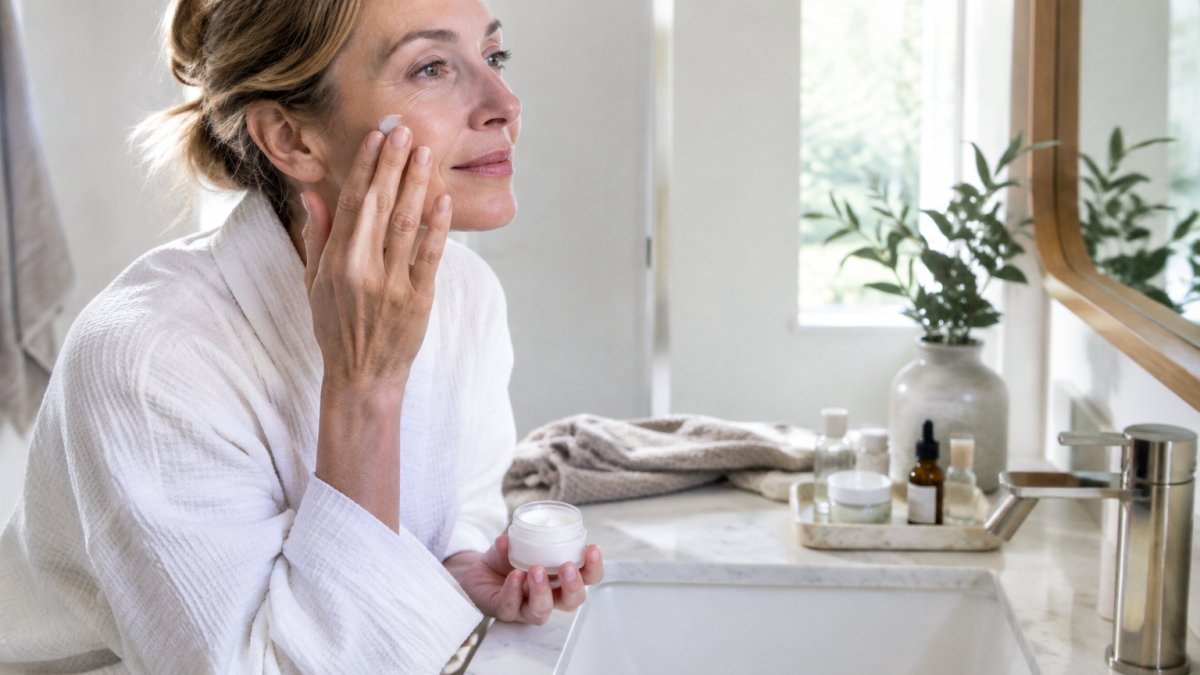
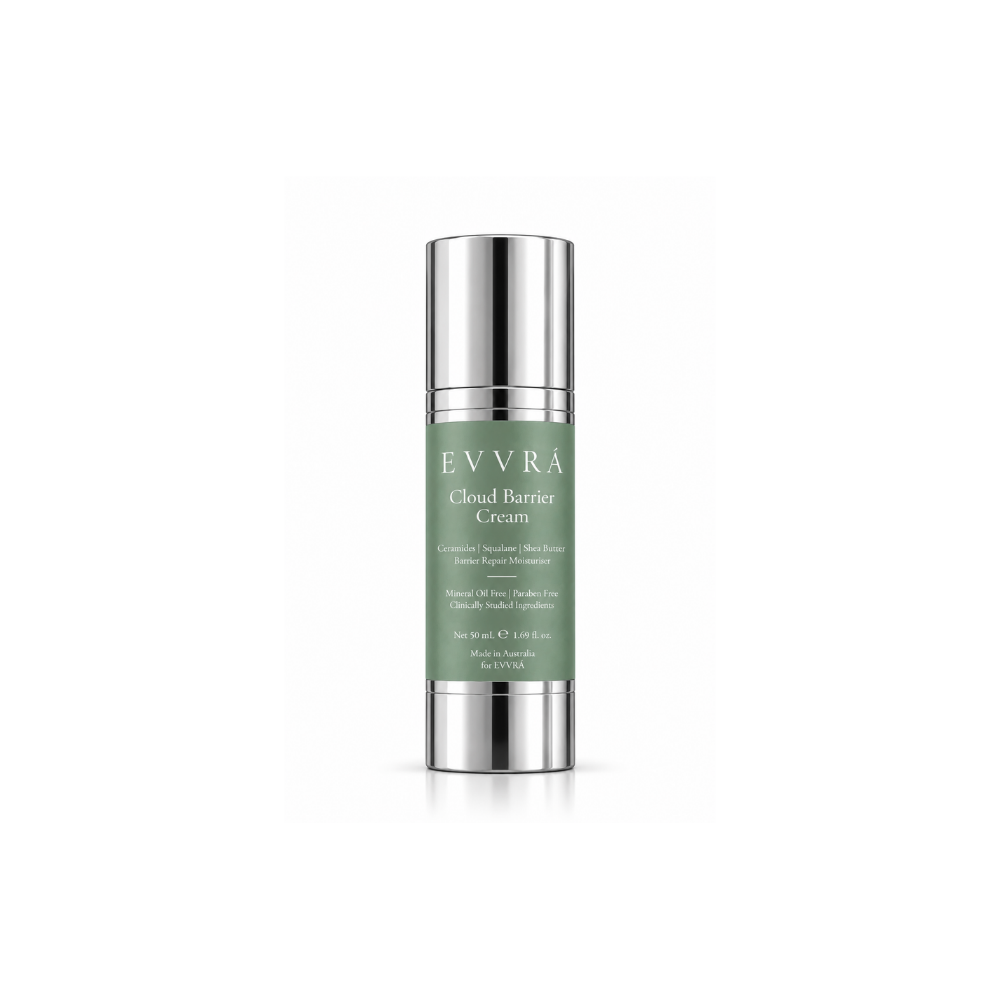
Weeks 1-2: two nights a week. Apply a pea-sized amount to clean, dry skin on, say, Monday and Thursday. Keep the other five nights free. Waiting a few minutes after cleansing before applying can make the product feel less sharp for many people. On the nights in between, lean on a ceramide moisturiser such as Cloud Barrier Cream to keep the barrier comfortable.
Weeks 3-4: three nights a week. If the first fortnight passed with only mild tingling or light flaking that settled within a day, add a third night. If it did not, repeat weeks 1-2 rather than pushing on. There is no prize for speed.
Weeks 5-8: every other night. Alternate retinal nights with recovery nights. Many people settle on a comfortable long-term frequency at this stage, and some stay here rather than moving to nightly use.
Week 9 onward: reassess. Only move to more frequent use if your skin has been calm for at least two consecutive weeks at the current frequency. If you hit redness, stinging or flaking that lasts more than a couple of days, drop back one step for two weeks before trying again.
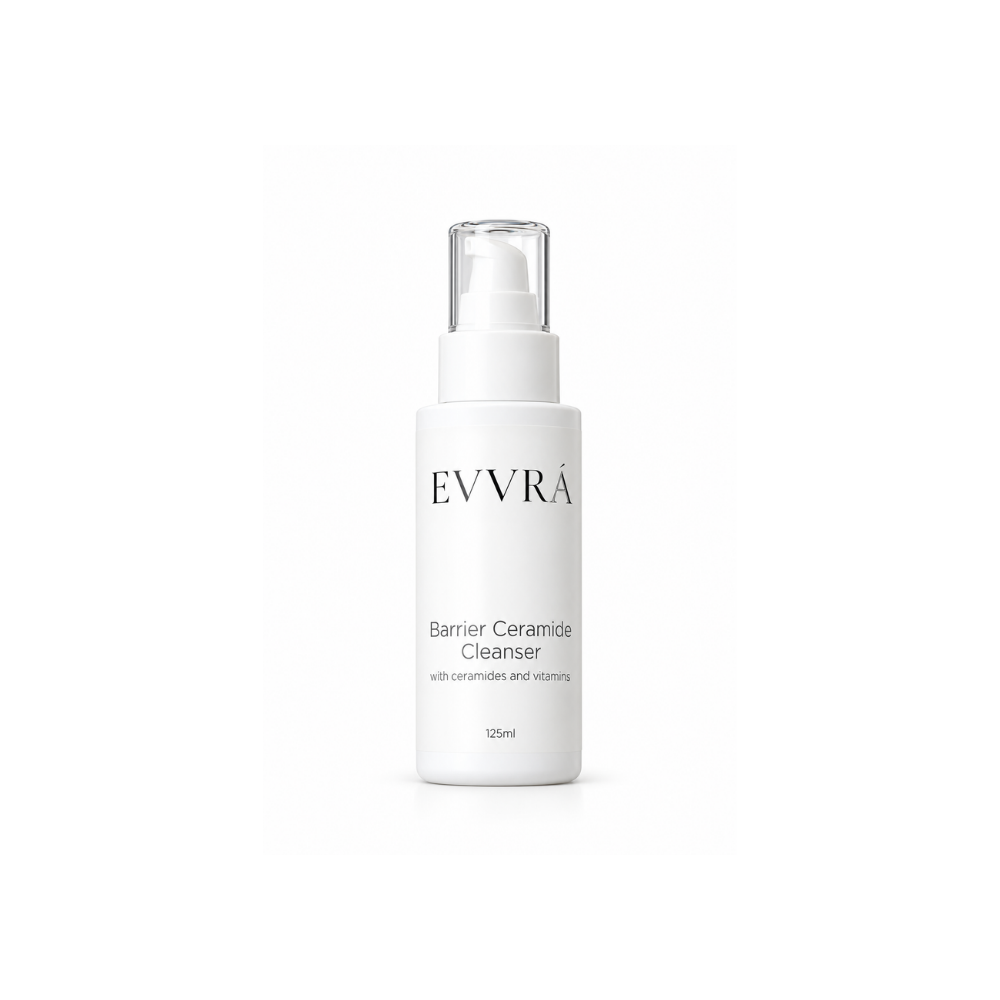
A few practical rules make the schedule work. Apply retinal at night, as it is generally used in the evening routine. Use the sandwich method during the first month: moisturiser, then retinal, then moisturiser. Keep the rest of the routine boring, a gentle cleanser such as Barrier Ceramide Cleanser, one moisturiser, and daily broad-spectrum SPF in the morning. Do not add a new active in the same fortnight you increase your retinal frequency, or you will not know which change caused a reaction.
Watch out: if you miss several nights, it is sensible to drop back to the previous step for a week rather than restarting at the higher frequency.
Patch test before your first application, and if you are pregnant, planning a pregnancy or breastfeeding, retinoids are not recommended, speak to your GP first.
The schedule below sets out the frequency steps in one place, so you can see how the adjustment is paced.
| Stage | Retinal frequency | When to move on |
|---|---|---|
| Weeks 1-2 | Two nights a week (e.g. Monday and Thursday) | Only if mild tingling or flaking settled within a day |
| Weeks 3-4 | Three nights a week | If the first fortnight was tolerated; otherwise repeat weeks 1-2 |
| Weeks 5-8 | Every other night | Stay here if comfortable; many people do |
| Week 9 onward | Reassess frequency | After two consecutive calm weeks at current frequency |
How to Patch Test Skincare Products Before Starting Retinal
Patch testing is the simplest way to find out whether a product suits you before it goes on your whole face. Apply a small amount to a discreet area, such as behind the ear or along the jawline, once a day for three to five days. Watch for redness, itching, swelling or stinging.
Do not skip this step, even with products from a brand you already trust. Sensitivity can change with hormones, weather, stress and other products in your routine. A patch test that passes today does not guarantee the same result next month.
If a patch test causes a reaction, stop and do not use the product on your face. Speak to a GP or dermatologist if the reaction is strong or lasts longer than a day or two.
Conditions, Pregnancy and Breastfeeding: When to Speak to Your Doctor
Retinoids are not recommended during pregnancy or breastfeeding. If you are pregnant, planning a pregnancy, or breastfeeding, check with your GP or obstetrician before using any retinoid, including retinal.
Speak to a GP or dermatologist before starting retinal if you have eczema, rosacea, perioral dermatitis or any skin condition that is painful, persistent or getting worse. Anyone taking medication that affects the skin should also check first. This article does not offer medication or HRT advice, so direct those questions to your doctor.
A professional can assess your skin and tell you whether retinal is a sensible choice at all. That conversation is worth having before your first application.
Building Your Starter Routine Around Your Retinal
A calm starter routine keeps the focus on the barrier, but the bigger question most people have is what else can safely share the shelf. Retinal does not exist in isolation, and the ingredients you layer around it matter as much as the retinal itself.
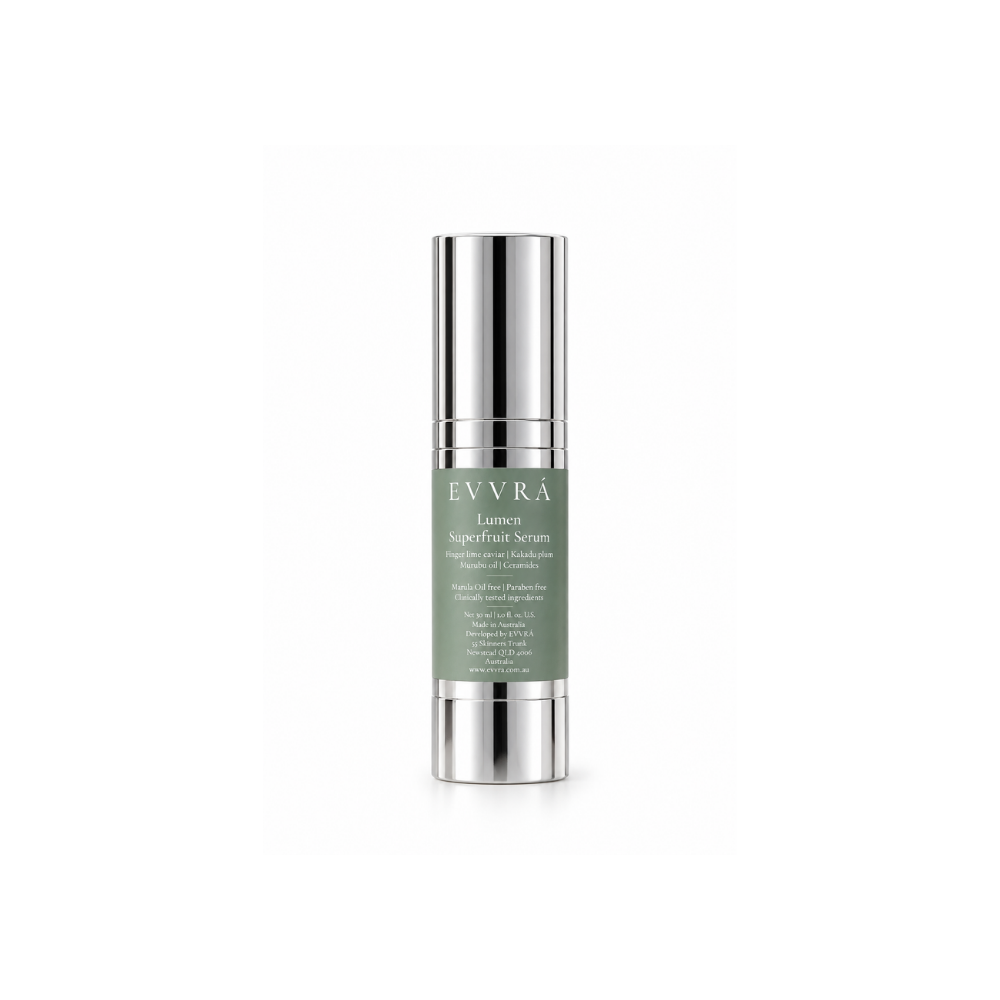
Keep the core simple. Morning: a gentle cleanser, a moisturiser, and daily broad-spectrum SPF. Evening: cleanse, retinal on your scheduled nights, then moisturiser. The Barrier Ceramide Cleanser is formulated for dry, sensitive or easily irritated skin, and Cloud Barrier Cream is a ceramide moisturiser for dry, sensitive skin that can be used on recovery nights. For the eye area, Lumen Eye Veil pairs peptides with retinal in a fragrance-free formula, introduce it slowly and separately from your face retinal so you can tell which product is which if something stings.
Exfoliating acids (AHA, BHA). Do not use them on the same night as retinal, especially in the first two months. Alternate nights instead. Layering an acid and a retinoid in one sitting stacks two renewal signals and is a common cause of barrier upset in sensitive skin.
Vitamin C. A vitamin C serum in the morning and retinal at night is a well-established pairing, because the two work at different times of day. If your skin is very reactive, introduce them weeks apart rather than in the same fortnight. A vitamin C moisturiser such as Brightening Veil can sit in the morning routine while retinal stays in the evening.
Benzoyl peroxide. This is one to separate carefully. Benzoyl peroxide can be drying, so using both at once may compound irritation. Use benzoyl peroxide in the morning if you need it, and retinal at night, and watch for dryness in the first weeks.
Other retinoids and retinoid-like actives. Do not stack retinal with retinol, adapalene or prescription tretinoin. One retinoid at a time is the rule. If you are moving from one to another, stop the first, let the skin settle for a week or two, then patch test and start the new one at the lowest frequency.
Niacinamide and peptides. These are commonly used alongside retinal in many routines. A peptide serum such as Lift Peptide Serum can sit in the morning routine.
Fragrance and essential oils. If your skin is reactive, keep them out of the products you use on retinal nights. They add another variable and make it harder to tell what is causing a sting.
Watch out: if you are unsure whether two actives can be combined, separating them by time of day first is a sensible starting point.
Patch test any new product before adding it, keep daily SPF non-negotiable, and if you are pregnant, planning a pregnancy or breastfeeding, retinoids are not recommended, check with your GP. For severe, painful or persistent reactions, see a GP or dermatologist.
Frequently Asked Questions
Is retinal more irritating than retinol for sensitive skin?
Not necessarily. Retinal is one step closer to the active form of vitamin A than retinol, so it can work at a lower concentration, but individual tolerance varies widely. Sensitive or reactive skin is more likely to react to any vitamin A derivative, so the safest approach is the same for both: start with a low frequency, use a gentle moisturiser, patch test first and build up slowly over several weeks. If stinging, burning or persistent redness develops, stop using the product and speak to your GP or dermatologist.
How do I introduce retinal into my skincare routine if I have sensitive skin?
Start with two or three evenings a week, after cleansing and before your moisturiser. Use a pea-sized amount for the whole face, and keep the rest of your routine simple and fragrance free. Patch test on the jawline for several nights before applying more widely. Increase frequency only when your skin stays calm for a week or two. Always wear a broad-spectrum SPF during the day, as your skin will be more sensitive to sun.
What are the signs that retinal is too strong for my skin?
Expected adjustment usually means mild dryness, light flaking or a short period of tightness that settles within a few weeks. Signs that your skin needs a break include stinging that lasts longer than a few minutes, burning, spreading redness, swelling, a rash, or skin that feels raw and tender. If these occur, stop using the product, rest your skin with a ceramide moisturiser and gentle cleanser, and speak to a GP or dermatologist if symptoms persist.
How often should I apply retinal to avoid irritation?
Most people with sensitive skin do best starting at two evenings a week and only increasing once the skin is comfortable. Many reach a comfortable routine of every second or third night, rather than nightly use. There is no fixed timeline, and patience matters more than speed. Skipping a night when your skin feels tender is a sensible way to protect your barrier while you build tolerance.
