

7 Hydrating Face Mist Tips for a Glowing Complexion
Quick Summary
A face mist is a refresher that gives skin a quick drink of water and a fresh, dewy finish, but it is not a treatment. Its moisture evaporates fast, so seal it in with a moisturiser. Look for humectants like glycerin and panthenol, and use a light, even mist from about 20 to 30 centimetres away.
- Press a serum or moisturiser into damp skin right after misting to trap the water.
- Glycerin is a common, reliable humectant that draws water towards the skin's surface.
- Hold the bottle 20 to 30 centimetres from your face and mist with your eyes closed.
- Fragrance and essential oils are the most common culprits for reactive skin.
- Patch test on the inner forearm for a few days before using a new mist on your face.
Table of Contents
- What a Hydrating Face Mist Can and Cannot Do
- Face Mist vs Toner: Which Belongs in Your Routine
- Face Mist Ingredients for Hydration to Look For
- How to Use Face Mist for Maximum Hydration
- Choosing Your Next Hydrating Face Mist
- Frequently Asked Questions
7 Hydrating Face Mist Tips for a Glowing Complexion
Last Updated: November 14, 2026
What a Hydrating Face Mist Can and Cannot Do
A hydrating face mist gives your skin a quick drink of water and a fresh, dewy finish. It is a refresher, not a treatment.
Here is where expectations go wrong. A mist sprays water and often a few humectants or botanical extracts onto the surface.
A layered routine works best with a mist: mist, then serum, then moisturiser. Used this way, it helps skin feel comfortable and look more luminous. It will not repair a damaged barrier on its own.
Face Mist vs Toner: Which Belongs in Your Routine
A toner and a face mist can look similar, but they do different jobs. Toners are typically applied with a cotton pad to remove residue and prep the skin.
Choose a toner if you want a step that wipes away traces of cleanser and balances the skin before serums.
Many people use both. Apply toner after cleansing, then keep a mist for midday top-ups. Just avoid stacking a heavily fragranced mist on top of an active treatment if your skin is sensitive, and patch test any new product first.
Face Mist Ingredients for Hydration to Look For
Not every mist hydrates in the same way, and the ingredient list is where the real differences sit. A mist built around humectants behaves very differently from a plain water spray, and a mist with soothing botanicals suits a different skin concern than one loaded with fragrance. For more on hydrating actives, read our guide to the best hydrating serum for your skin. Read the label with your own skin in mind rather than buying on the word "hydrating" alone.
Humectants: the hydration engine
Humectants draw water towards the skin's surface. Glycerin is the most common and one of the most reliable, it is well tolerated, works in low concentrations, and appears in many formulas for good reason. Other humectants you may see include panthenol (also soothing), sodium hyaluronate and other hyaluronic acid forms, and betaine.
A common pattern is that humectant-rich mists feel slightly tacky for a few seconds before they settle. That brief tackiness is a useful signal that the formula is doing something beyond wetting the face.
Soothing and barrier-supporting ingredients
If your skin feels reactive, tight or overheated, look for panthenol, niacinamide, green tea extract, centella (also called cica), allantoin and oat-derived ingredients. These are included to help skin feel calm and supported rather than to deliver a dramatic glow. They suit skin that has been exposed to sun, wind, air-conditioning or a long day indoors.
Antioxidant botanicals such as berry extracts and vitamin E are often added to help skin look fresh, but treat them as a supporting feature in a mist rather than the main hydration event.
What to be cautious about
Fragrance and essential oils are the most common culprits for reactive skin. A mist that smells beautiful can still sting if your barrier is compromised, and repeated midday application concentrates that exposure.
Watch out: alcohol denat high on an ingredient list can make a mist feel cooling and fast-drying, but it can also leave skin feeling tighter over time, particularly in dry, air-conditioned rooms. It is not automatically a problem, but it is worth noticing if your skin feels thirstier after misting than before.
Match the formula to your concern
- Dehydration and tightness: humectant-forward mists with glycerin, panthenol or hyaluronic acid forms, layered under a moisturiser.
- Sensitivity and redness-prone skin: short ingredient lists with panthenol, centella or oat, fragrance-free where possible.
- Oiliness: lightweight, non-occlusive mists; avoid heavy botanical oils that can feel suffocating on an already oily T-zone.
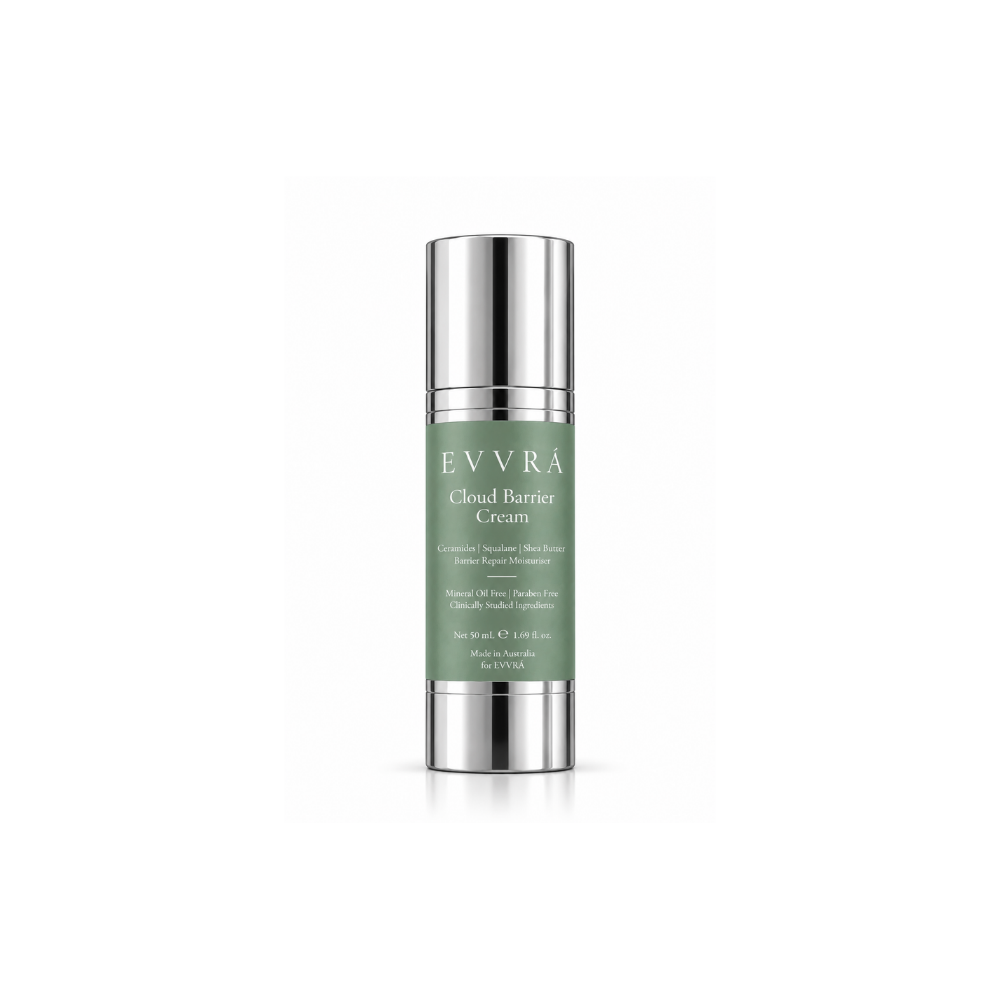
- Barrier impairment (flaking, stinging): soothing mists are a comfort measure only, the real work is done by ceramide-rich moisturisers such as Cloud Barrier Cream, and persistent flaking or stinging warrants a GP or dermatologist.
A mist is a supporting step. If your goal is a visibly more luminous complexion over time, pair it with targeted serums, for example the Superfruit Serum for antioxidant support or the Lift Peptide Serum for firmness, and always finish your morning routine with daily SPF.
How to Use Face Mist for Maximum Hydration
The method matters as much as the product. A mist applied well can make skin feel comfortable for hours; the same mist applied carelessly can evaporate and leave skin feeling tighter than before. The key principle is that water-based hydration needs to be sealed.
Distance, amount and technique
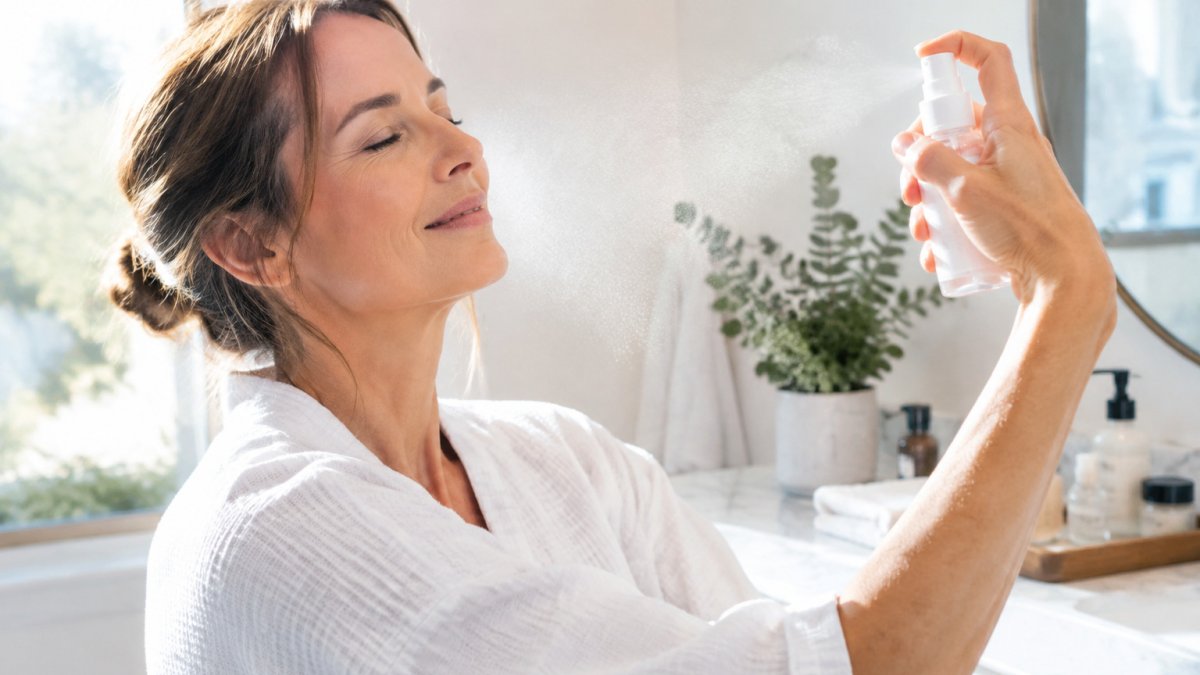
Hold the bottle about 20 to 30 centimetres from your face and mist with your eyes closed. Close range can feel heavy, leave visible droplets and make the skin patchy, while a little distance gives an even, fine layer.
Then press, do not rub, a serum or moisturiser into the damp skin. This is the step most people skip, and it is the one that matters most.
When to mist during the day
- After cleansing, before serum: mist onto clean skin to add a hydration layer, then apply serum and moisturiser while the skin is still damp.
- Mid-morning or mid-afternoon: a light mist to take the edge off dryness, air-conditioning or heating. Let it air dry or press in a little moisturiser if skin feels thirsty again.
- After sun or wind exposure: a soothing mist can help skin feel calmer; follow with a barrier-supporting moisturiser and, if you have been outdoors, remember that misting does not replace daily SPF.
- Before makeup: a light mist can help foundation glide and sit more smoothly, but let it dry fully first.
Watch out: very frequent misting in a dry, air-conditioned room without a moisturiser can leave skin feeling thirstier than before, because the water evaporates and takes surface moisture with it. If you mist more than two or three times a day, keep a moisturiser nearby to seal it in.
Using face mist over makeup
A mist can refresh makeup that has started to look dull or powdery. Hold the bottle at a distance, mist once lightly, and pat gently with clean fingertips rather than rubbing. This helps the foundation settle and gives a softer, more natural finish.
Use a light hand. Too much mist can loosen powder and make the base look patchy. If your makeup tends to slide, a mist can also help set it, but keep the layer thin and let it dry fully before touching your face.
Climate and routine compatibility
In humid weather, a light humectant mist is usually enough and heavy layering can feel suffocating. In dry indoor air, air-conditioning in summer, heating in winter, mist, then layer a lightweight hydrating serum such as Cloud Hydra Gel and seal it with a moisturiser such as Cloud Barrier Cream if your skin is drier.
If you use actives such as vitamin C, retinal or exfoliating acids, patch test any new mist first and avoid layering a heavily fragranced mist directly over an active if your skin is sensitive.
Choosing Your Next Hydrating Face Mist
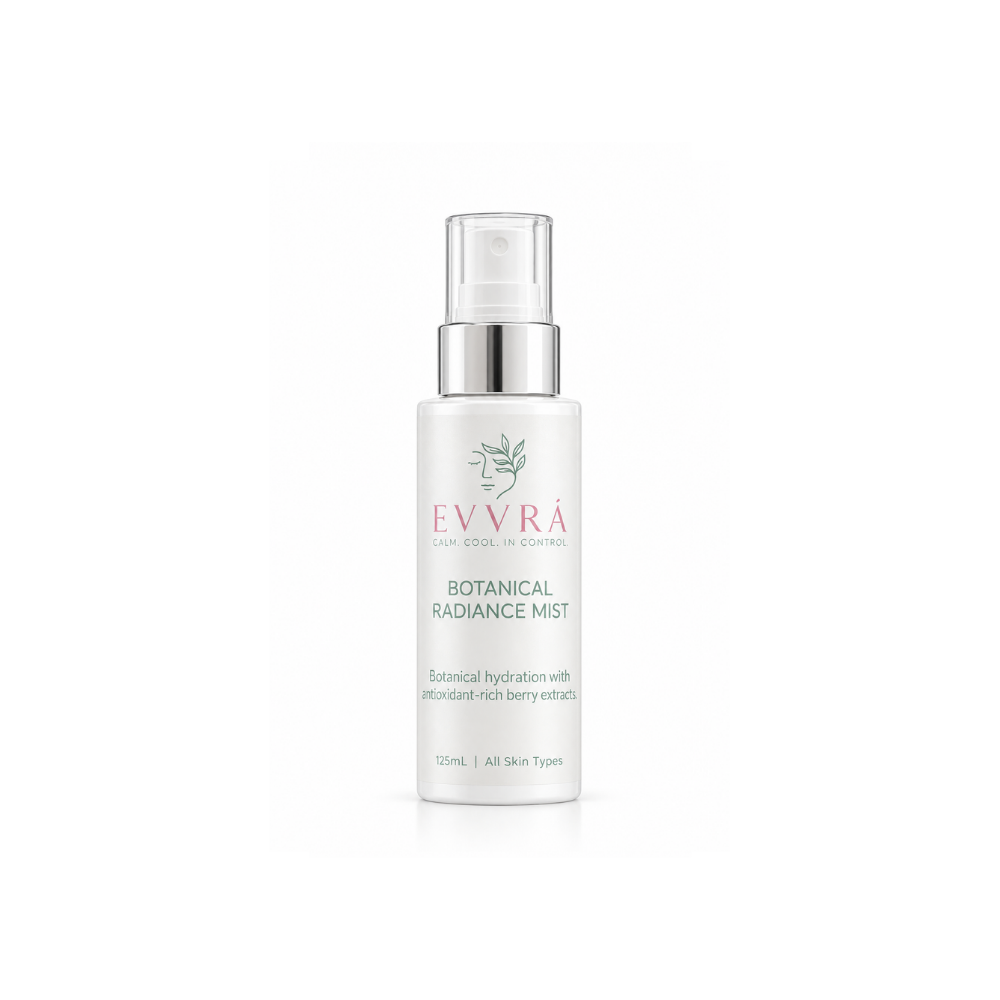
When you are ready to choose a mist, start with your skin's needs. For a hydrating and refreshing option, the Botanical Radiance Mist - Hydrating Face Mist 125ml is a botanical antioxidant mist that gives skin a lightweight drink of hydration and leaves it soft and dewy.
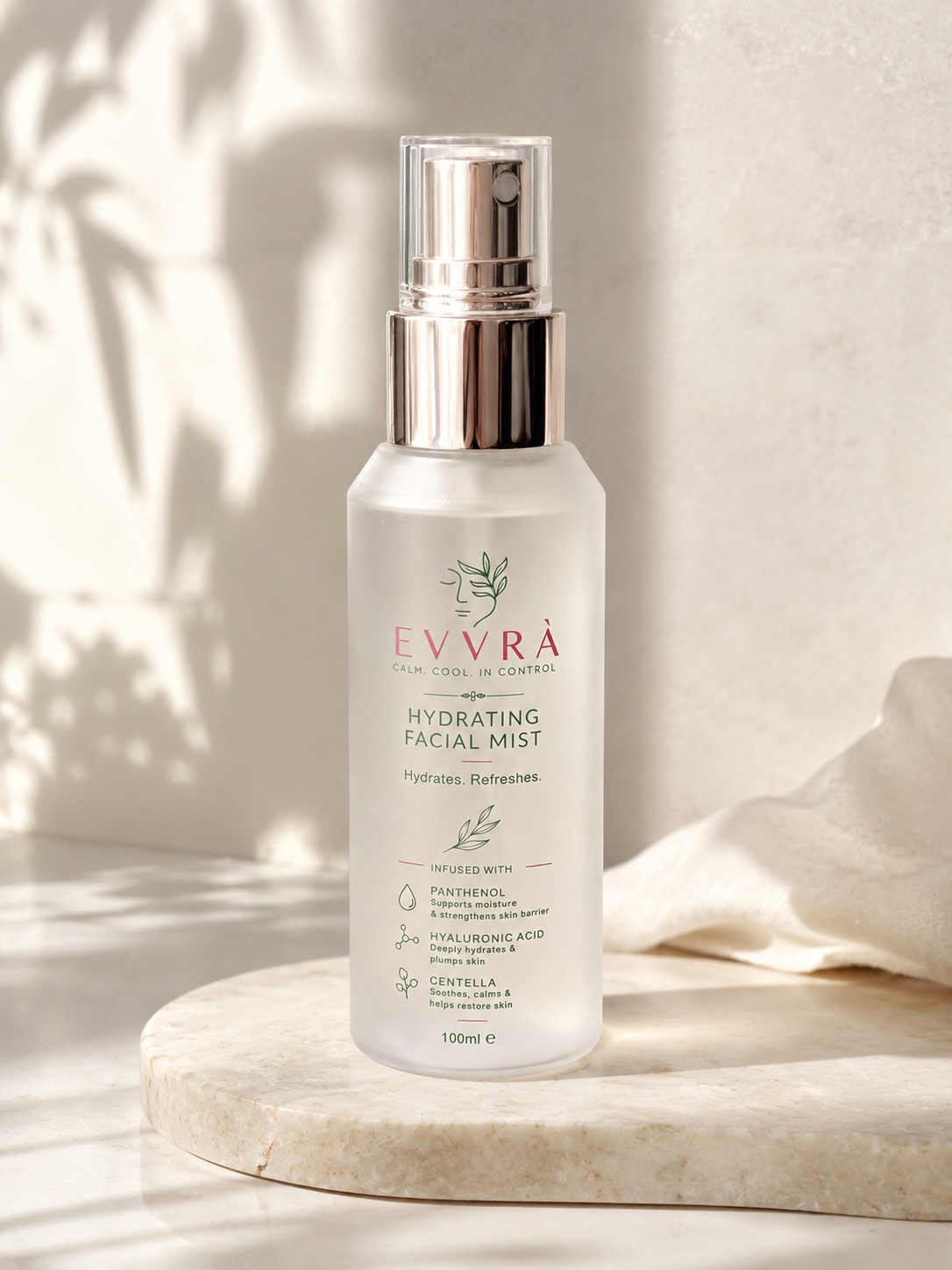
If you want a mist built around calming and barrier-supporting ingredients, the Hydrating Facial Mist is another option to compare.
Whichever you choose, check the ingredients, patch test if your skin is reactive, and remember that a mist works best when followed by a moisturiser. Your skin will tell you what it needs.
The two mists the article recommends differ mainly in their focus, as summarised below.
| Mist | Best for | Key difference |
|---|---|---|
| Botanical Radiance Mist - Hydrating Face Mist 125ml | Quick hydration and refresh | Botanical antioxidant mist; lightweight and dewy |
| Hydrating Facial Mist | Dry, tight or overheated skin | Powered by panthenol, niacinamide, green tea extract and centella |
Read this guide on your next routine update and try one change at a time.
Frequently Asked Questions
What is the best face mist for hydration and glow?
The best face mist depends on your skin and what you need from it. For most skin types, look for a mist that pairs humectants such as glycerin and aloe vera with a light antioxidant, which supports a dewy finish without heaviness. Botanical Radiance Mist pairs glycerin and aloe vera with antioxidant berry extracts, while Hydrating Facial Mist is built around panthenol, niacinamide, green tea and centella. Botanical Radiance Mist contains essential oils, so patch test first if your skin is sensitive.
Do face mists actually hydrate your skin?
A face mist adds a light layer of water and humectants to the skin's surface, which gives an immediate sense of comfort and a fresher look. It does not replace a moisturiser, so the hydration it provides is short-lived unless you seal it in with a cream or gel afterwards. Think of a mist as a refresh that works best layered into a fuller routine rather than as a standalone treatment for dry skin.
Can you use a face mist over makeup?
Yes. A fine mist held 20 to 30cm from the face can refresh foundation and help it settle, especially on warm days or after a long flight. Mist lightly rather than soaking the skin, and blot any excess with a tissue. Botanical Radiance Mist is designed to mist over closed eyes and also to set makeup, while Hydrating Facial Mist suits a midday moisture boost over makeup.
Should you apply moisturiser after using a face mist?
In most cases, yes. A mist adds water to the skin, and a moisturiser helps hold that water in place, particularly in dry or dehydrated skin. Apply your mist after cleansing, then your serum (such as Cloud Hydra Gel), and follow with a moisturiser such as Cloud Barrier Cream while the skin is still slightly damp. Daily SPF should always be the final step in the morning.
