

How to Choose a Retinol Night Cream for Menopausal Skin
Last Updated: November 15, 2026
Quick Summary
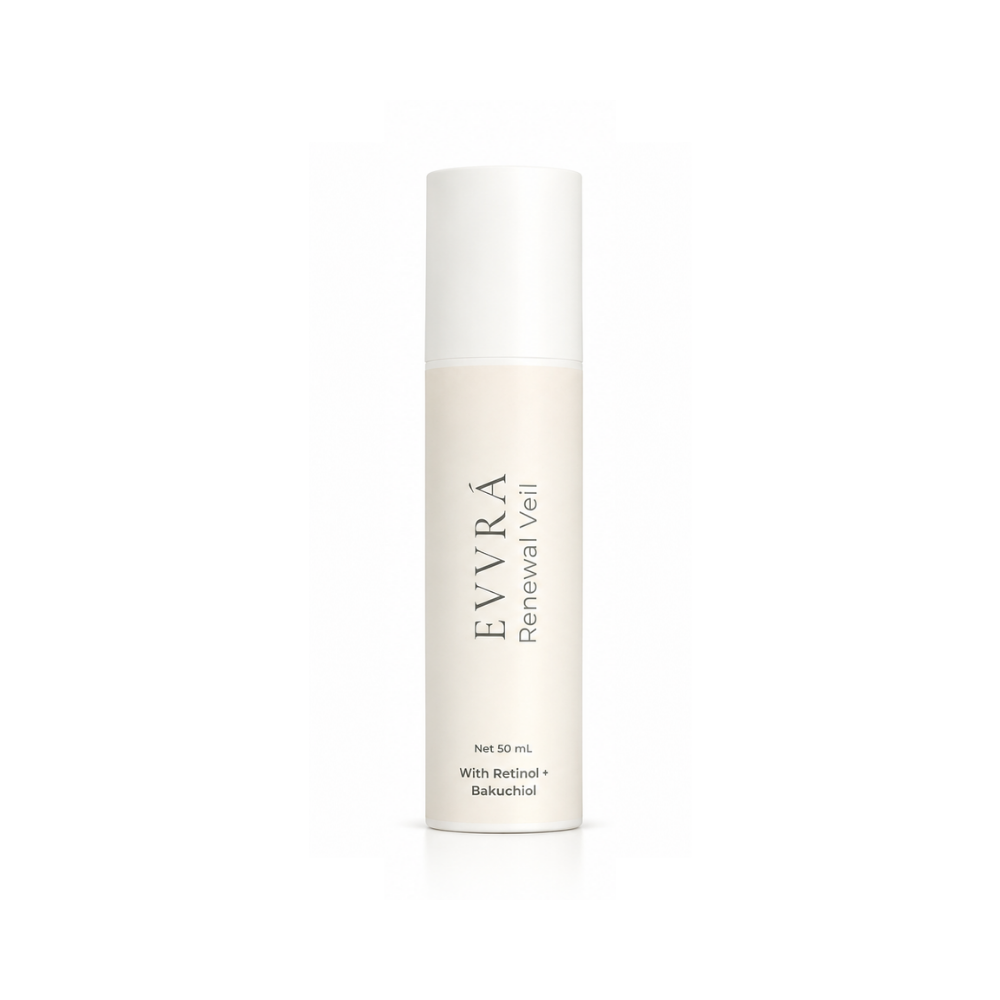
The best retinol night cream for menopausal skin in Australia is one that pairs gentle vitamin A with barrier-supporting hydration, and introduced slowly. Start with a few nights a week, patch test first, and wear SPF every morning. Renewal Veil is a triple vitamin A night cream with hydrating ingredients designed for this stage.
- Patch test on your jawline for a few nights before applying retinol across your face.
- Start with a pea-sized amount every second evening, using SPF every morning.
- Increase frequency only when skin feels comfortable for at least a week.
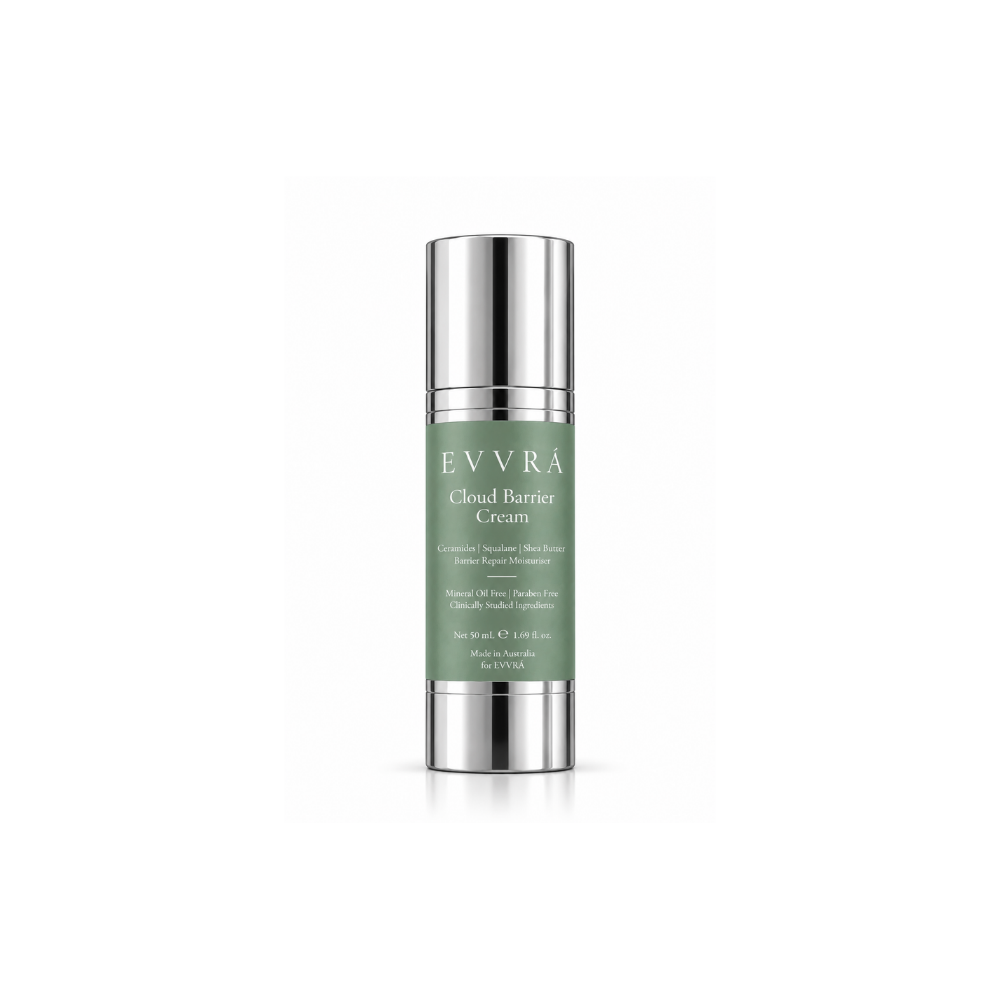
- Pair retinol with a ceramide-rich moisturiser such as Cloud Barrier Cream to support the barrier.
- Avoid layering strong acids on the same night as retinol, and retinoids are not recommended during pregnancy or breastfeeding.
Table of Contents
- Why Menopausal Skin Responds Differently to Retinol
- How to Use Retinol for Beginners: A Step-by-Step Introduction Plan
- Managing Retinol and Dry Skin Through Menopause
- Building a Night Routine: Retinol and Vitamin C, and Gentle Alternatives
- Retinol Alternatives for Sensitive Skin and Your Next Step
- Frequently Asked Questions
Why Menopausal Skin Responds Differently to Retinol
A retinol night cream for menopausal skin in Australia can help, but it is not a one-size-fits-all solution. Changing oestrogen levels can affect skin, so many women notice more dryness and sensitivity than they expected. That is why choosing the right formula matters as much as choosing the right active.
Here is the practical difference. Mature skin often benefits from a gentler start, a richer base and a barrier-supporting moisturiser alongside it. Our pick for this stage is a night cream that pairs vitamin A with soothing, hydrating ingredients.
Renewal Veil is an intensive triple vitamin A night cream that combines retinol, retinyl palmitate and retinaldehyde. It also includes bakuchiol, a plant-based alternative, plus hyaluronic acid and niacinamide for hydration and barrier support.
Watch out: Mature skin can be drier and more reactive than it used to be. Skipping the introduction phase can make retinol harder to stick with.
How to Use Retinol for Beginners: A Step-by-Step Introduction Plan
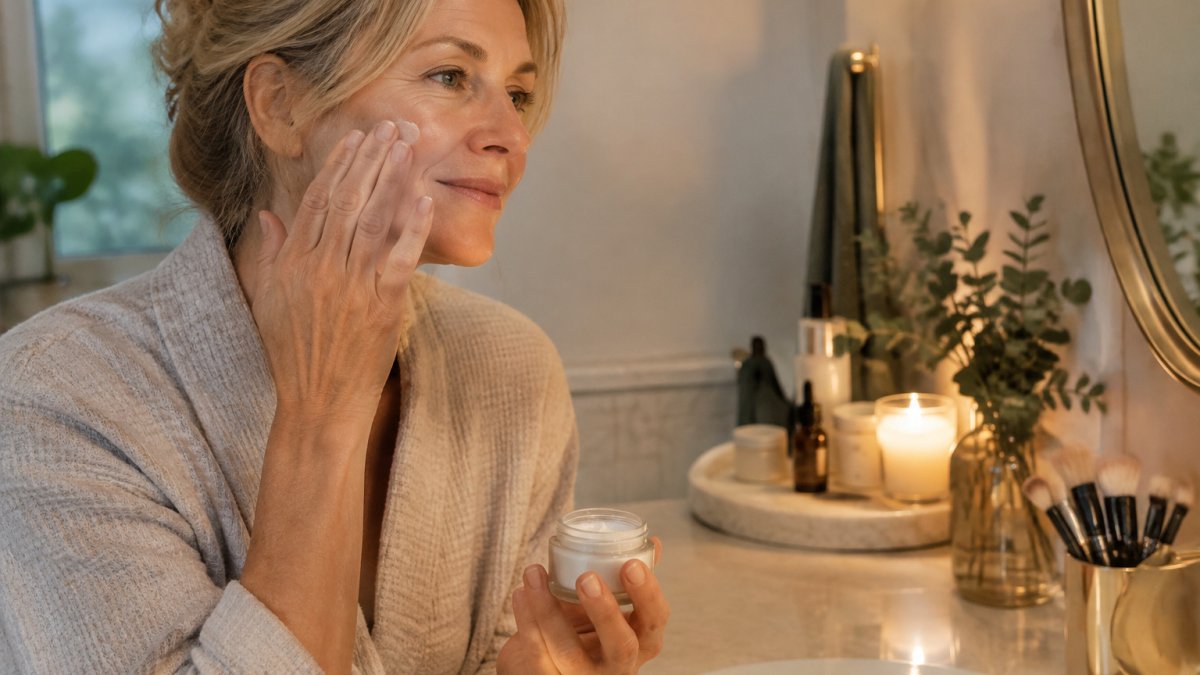
Start slowly, even if you have used retinol before. A gradual introduction gives your skin time to adjust and makes irritation far less likely. Patch test on a small area of your jawline for a few nights before applying it across your whole face. If you are pregnant or breastfeeding, retinoids are not recommended, speak to your GP about alternatives.
Weeks One to Four: Starting Slowly
In the first month, apply a pea-sized amount of Renewal Veil every second evening after cleansing and a light serum. Follow it with your moisturiser. Use SPF every morning, because retinol makes skin more sensitive to sunlight.
Some people apply their moisturiser first, wait a minute or two, then apply the retinol night cream on top to dilute the active slightly. On nights when skin feels tight, you can also apply a thin layer of Cloud Barrier Cream over the top as a final step.
Expect some mild dryness or tightness during these weeks. This is normal, but persistent stinging, redness or flaking means you should pause and see a GP or dermatologist.
Weeks Five to Eight: Building Frequency
If your skin is calm after four weeks, you can increase to every third night, then every second night, then nightly, moving up only when the current frequency feels comfortable for at least a week. Do not rush this step. Taking it slowly gives skin time to adjust.
Watch out: If you notice stinging when you apply moisturiser (not just when you apply the retinol), that is a sign the barrier is compromised. Drop back to every third night, add a ceramide-rich moisturiser such as Cloud Barrier Cream, and give skin a week before increasing again.
Assessing Results and Realistic Timelines
Results from consistent use typically build gradually over several weeks. Take a photo in the same lighting each month so you can track progress honestly.
A practical way to assess tolerance is to keep a simple note of how skin feels the morning after each application: comfortable, slightly tight, or irritated. If the answer is 'comfortable' for two weeks in a row at your current frequency, you can move up. If it is 'irritated' more than once, step back down. This is more reliable than judging by appearance alone, because texture and tone changes are gradual and easy to miss in the mirror.
Managing Retinol and Dry Skin Through Menopause
Dryness is a common concern during menopause, and retinol can make it feel more noticeable at first. Changing oestrogen levels can affect the skin's oil production and moisture retention, and retinol can temporarily increase dryness for some people. The answer is usually to support the barrier, not to stop the retinol altogether.
How to Pair Retinol with Barrier Support
The order of products matters more than the number of products. A simple sequence that works for most menopausal skin is:
- Cleanse with a gentle, non-stripping formula such as Barrier Ceramide Cleanser
- Apply a hydrating serum, PDRN DNA Recovery Serum is formulated for stressed or sensitive skin
- Apply Renewal Veil on your scheduled nights
- Finish with a ceramide-rich moisturiser such as Cloud Barrier Cream to seal in moisture
Cloud Barrier Cream is a rich ceramide moisturiser that wraps dry, sensitive skin in hydration. It includes beta-glucan and shea butter, and it is designed for morning and evening use. Apply it after your serum and before SPF in the morning, and after Renewal Veil at night on the nights you feel tight.
Expected Dryness vs Excessive Irritation
It helps to know the difference between the two, because they call for different responses.
Expected dryness can feel like tightness or slight roughness in the first week or two, and a richer moisturiser may help. Excessive irritation feels like stinging, burning, visible redness or flaking that does not settle within a few days. If that happens, pause the retinol, focus on barrier support, and see a GP or dermatologist if it persists or is painful.
Watch out: Do not layer a strong exfoliating acid (such as glycolic or salicylic acid) on the same night as your retinol. The combination is a common cause of irritation in mature skin. Use acids on a different evening, and only once your skin is comfortable with retinol.
For a fuller plan for dry menopausal skin, our guide to building a menopause skincare routine walks through each step, and the dehydrated dry skin collection groups barrier-focused options together. Bring the same patience to your routine that you would bring to any change in your body.
Building a Night Routine: Retinol and Vitamin C, and Gentle Alternatives
A simple night routine is easier to stick with. Cleanse gently, apply a serum, then finish with your night cream. Keep the steps few and the textures compatible.
Retinol and vitamin C can both work well in a routine, but many women find it easier to use them at different times of day. Some people use vitamin C in the morning under SPF and retinol at night, which keeps the two actives apart.
A good night routine for mature skin looks like this:
- Gentle cleanse, with a fragrance-free formula if your skin reacts easily
- A hydrating serum, such as PDRN DNA Recovery Serum for stressed or sensitive skin
- Renewal Veil on alternate nights, building to nightly use as your skin adjusts
- Cloud Barrier Cream to lock in moisture
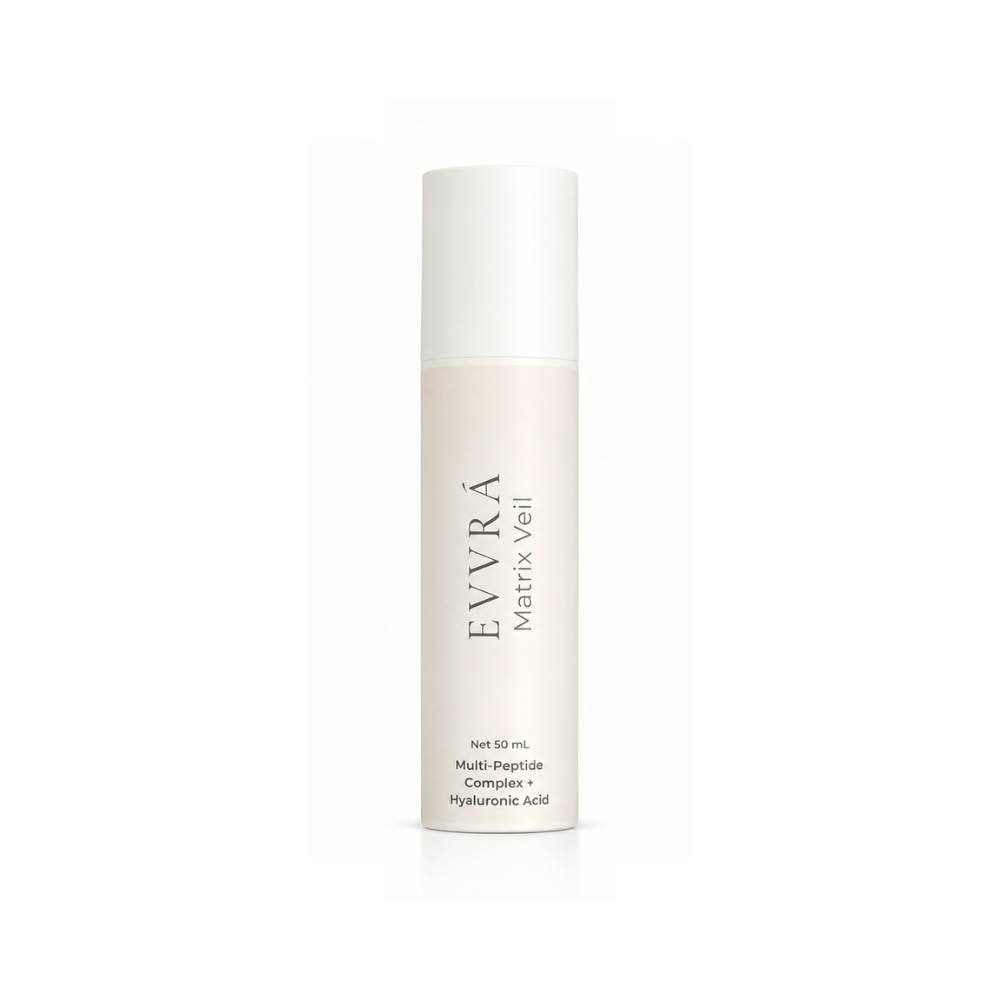
If retinol is still too much, the Matrix Peptide Veil is a firming night moisturiser that uses peptides and a gentle retinyl to refine texture without the same intensity. You can also explore the sensitive skin collection for barrier-focused options.
Retinol Alternatives for Sensitive Skin and Your Next Step
Not every woman tolerates retinol, and that is fine. Peptides, bakuchiol and barrier-focused moisturisers are alternatives some people with sensitive skin consider.
If you are unsure which direction suits you, start with a gentle cleanser and one hydrating product, then add an active once your skin feels settled. A dermatologist can also assess your skin if concerns are persistent or painful.
Renewal Veil is a retinol night cream designed to target fine lines and uneven texture, while Cloud Barrier Cream is designed for dry, sensitive skin. Whichever you choose, use SPF daily and patch test first. Explore the full Fine Lines & Firming collection when you are ready.
Here is a quick way to compare the options discussed in this guide.
| Option | Best for | Key difference |
|---|---|---|
| Renewal Veil | Fine lines and uneven texture | Triple vitamin A night cream with bakuchiol |
| Matrix Peptide Veil | Those who find retinol too intense | Peptides and a gentle retinyl |
| Cloud Barrier Cream | Dry, sensitive skin | Rich ceramide moisturiser for barrier support |
Frequently Asked Questions
Is retinol suitable for menopausal skin?
Many women find retinol a useful part of a night routine during menopause, because changing hormone levels can affect skin texture, firmness and tone. Because menopausal skin is often drier and more reactive, it helps to start with a low-frequency routine, pair retinol with a ceramide-rich moisturiser, and patch test first. If you have persistent dryness, stinging or redness, speak with your GP or a dermatologist before continuing.
How should beginners introduce retinol into a night-time routine?
Start by applying a small amount on two nights a week, after cleansing and a serum, and gradually increase to more nights as your skin adjusts. Use a gentle cleanser in the morning and a moisturiser that supports the skin barrier. Wear SPF every morning while using retinol, as the skin can become more sensitive to sunlight. Stop or reduce frequency if irritation develops.
Can you use retinol and vitamin C in the same skincare routine?
Many people use vitamin C in the morning and retinol at night, which keeps the two actives apart and reduces the chance of irritation. If you prefer to use both in the same routine, introduce them on alternate nights rather than together. Patch testing and watching how your skin responds will help you find the rhythm that feels comfortable.
Are retinoids recommended during pregnancy or breastfeeding?
Retinoids are not recommended during pregnancy or breastfeeding. If you are pregnant, planning a pregnancy or breastfeeding, speak with your GP or midwife before using any product containing retinol, and choose a suitable alternative in the meantime.
